


The question "What is web design?" is a critical starting point for brands that want to establish a strong position in the digital world. A brand's online presence...

Artificial intelligence tools have become a hot topic in the business world over the past two years. Marketing, sales, and operations teams, in particular, are rapidly integrating this technology into their workflows. However, many managers are still asking the same question: Are we truly experiencing a revolution, or are we witnessing an exaggerated wave of expectations? In this article, we clarify the picture with data, field experiences, and concrete examples. We also focus on critical aspects such as return on investment, level of expertise, and strategic use. This will allow you to make more informed decisions.
The Use of AI Tools is Increasing, but Is Expertise Growing at the Same Rate?
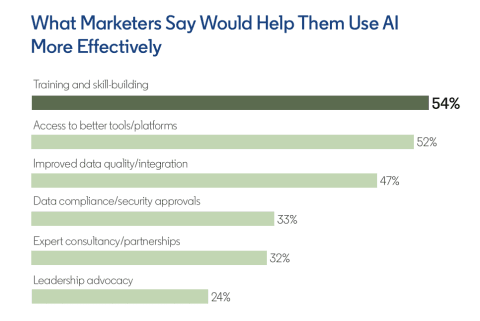
Reports shared by LinkedIn, The data shows that a significant portion of professionals use AI tools. However, only a limited percentage of participants define themselves as highly skilled experts. This reminds us of an important fact: access to tools has increased, but in-depth knowledge has not increased at the same rate. Therefore, many teams risk using AI output without questioning it. In contrast, in our projects, we always establish the strategy first, and then position the technology. Because without the right guidance, no tool can bring sustainable success.
For example, when a B2B brand decided to leave content creation entirely to AI, it initially gained speed. However, within a few weeks, repetitive text and deviations from the brand tone emerged. Furthermore, the team noticed that editing time had increased. So, the initial increase in efficiency quickly offset. This clearly demonstrates that expertise is more critical than the tool itself. Therefore, when using AI, always place human oversight at the center of the process.

How are AI tools creating value in B2B marketing?
In B2B marketing, AI tools offer significant advantages, particularly in targeting and data analysis processes. Segmentation, lead generation, and content recommendations progress much faster. On the other hand, the strategic framework is still determined by humans. When we plan a campaign, we first... Market, competitor, and audience analysis. We first analyze the data, then deepen the analysis with AI-powered tools. This allows us to gain speed while maintaining strategic control. This approach enables us to generate campaigns that convert into sales.
Globally accepted sources on AI-powered targeting also outline a similar framework. For example... Harvard Business Review, They emphasize that while AI supports decision-making processes, the strategy should be led by humans. This perspective aligns with our field experience, because data alone does not generate meaning. Experience, intuition, and industry knowledge transform that data into commercial value.
Does Generative AI Improve Productivity?
Generative AI tools significantly speed up processes like content creation, reporting, and presentation preparation. However, this speed increase also raises expectations. A report that used to take three days to complete might now be produced in a single day. Consequently, management demands even more output. Therefore, instead of decreasing, the workload changes. At this point, if you don't properly plan your team's capacity, the risk of burnout increases. Use AI for productivity, but strategically protect your human resources.
Short answer: AI tools deliver efficiency when used with the right strategy and clear goals. However, you won't see a clear return on investment unless you change the process design and measure performance. Therefore, first set goals, then define the use case, and regularly analyze the outputs. That's how technology truly creates value.
AI Expertise: Trend or Real Skill?
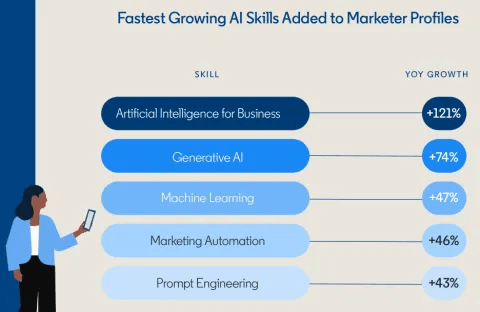
Recently, many professionals have been including AI skills in their profiles. However, true expertise stems from the ability to guide the tool with the right questions. For example, when creating a content strategy, we first clarify the brand positioning. Then... brand positioning We define the framework and use AI within that framework. This way, the tool generates content that aligns with the brand's tone. Otherwise, the resulting text will remain superficial.
Strengthen your fundamental knowledge while using AI. Learn algorithmic thinking, data interpretation skills, and industry dynamics. Because the tool offers you options, but you make the right choice. Also, establish clear responsibilities within the team. This way, everyone takes ownership of the AI output and improves quality together.
Return on Investment and Strategic Approach
Many companies are investing in AI, but they don't clearly define ROI (Return on Investment). However, measurement is essential for sustainable growth. In our projects, we first define target KPIs. Then, we match the AI use case with these metrics. We regularly monitor indicators such as sales conversion rate, cost savings, and time savings. Ultimately, we evaluate technology investments with tangible data.
Looking at the overall picture, AI tools represent a controlled evolution rather than a revolution. In this evolutionary process, the winners are the brands that combine technology with strategic thinking.
Instead of blindly following AI, create an informed roadmap. Contact us today so we can analyze your current processes together and establish a measurable AI strategy. This way, we can turn your investments into tangible results.

Choosing the right Mobile App Development Company directly impacts the fate of your digital investment. You don't just get an app developed; you get your brand...

The question "What is digital marketing?" puzzles anyone looking to grow their brand. Today, consumer behavior changes rapidly, and brands have a presence on digital channels…