

360° Creative Digital Agency
Growing brands, working systems, and powerful ideas backed by over 10 years of experience.
We shape brands' presence in the digital world by combining branding, creative strategy, digital marketing, and software.
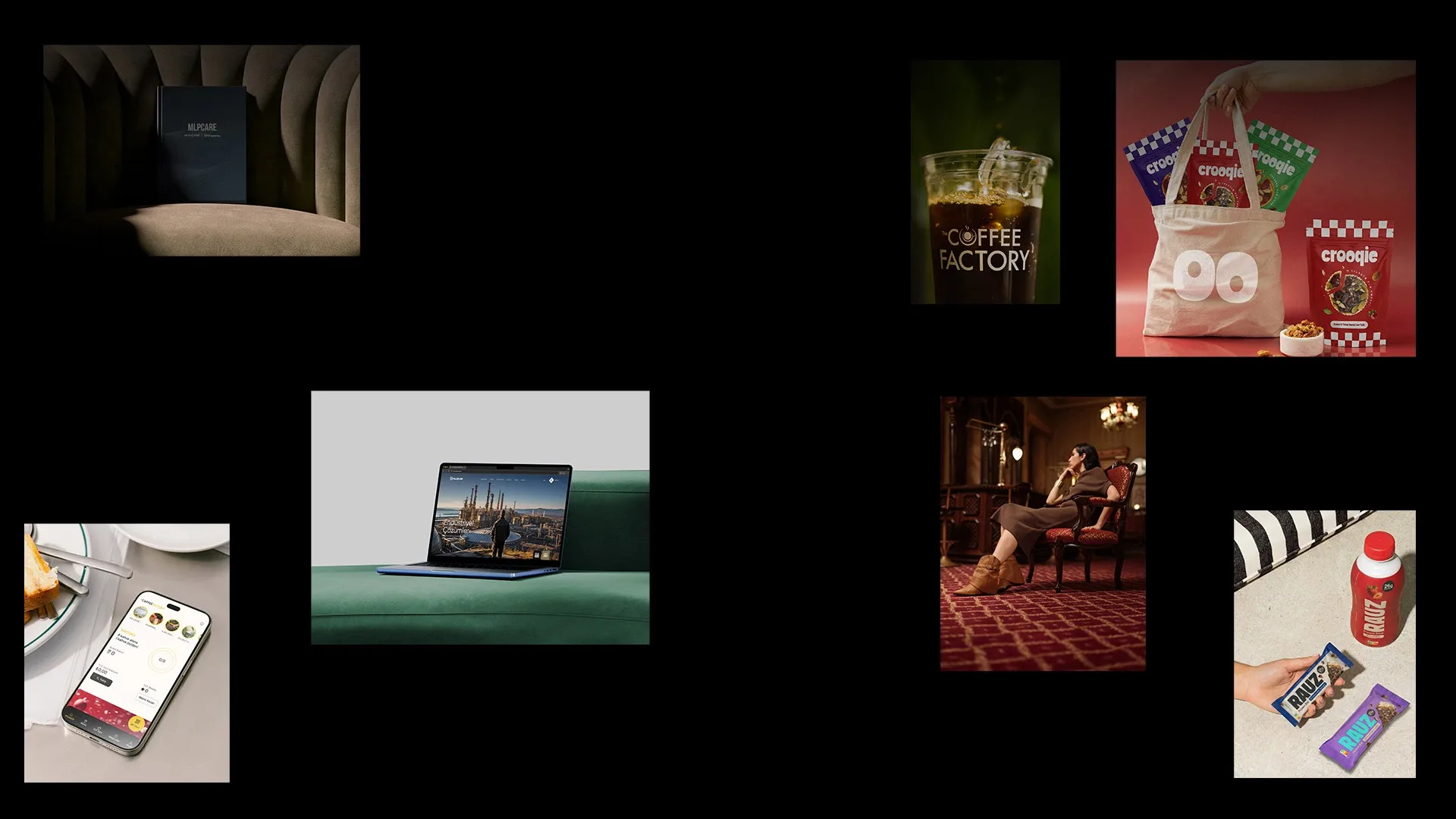
Last Completed
What
We are doing it
01
Branding
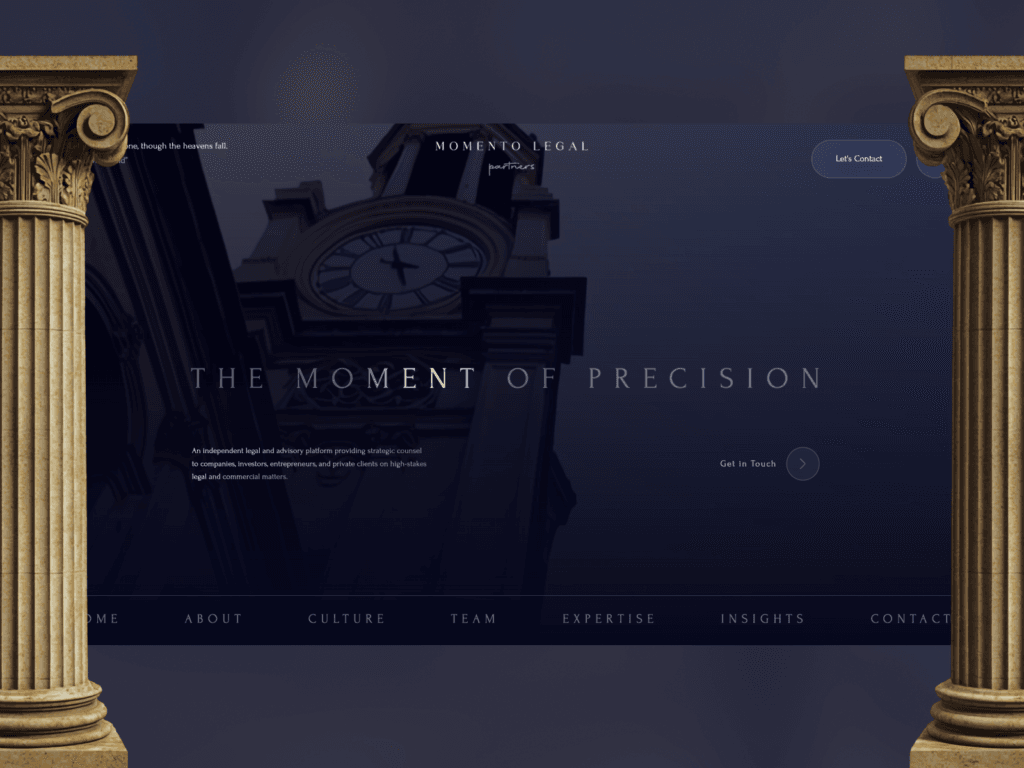
Branding and brand strategy processes shape not how brands look, but how they are perceived.
Brand Positioning
We determine how your brand will differentiate itself from the competition and what value it will convey to whom and how. By analyzing market dynamics and consumer expectations, we create a sustainable positioning for your brand. Correct positioning establishes a consistent foundation throughout all stages of digital agency work. Explore our Brand Positioning Process.
Logo Design
Your logo, the first and most lasting visual footprint of your brand, should carry your industry, personality, and values in a single symbol. We create original, scalable logo designs that stand out across all platforms. With our creative agency experience, we offer aesthetic and strategic solutions tailored to every sector. Check out our Logo Design Service.
Brandbook
We create a comprehensive brandbook to ensure your brand identity remains consistent across all channels. Color palette, typography, visual language, and communication tone—every detail is documented, ensuring every team member and partner speaks the same language. A strong brandbook helps maintain your brand identity, even if you change agencies. Explore our Brandbook Process.
Corporate Identity
Business cards, letterhead, presentation templates, social media templates — we design all of your brand's physical and digital touchpoints with a consistent identity. Our corporate identity work encompasses every detail that will make your brand trustworthy and professional in the eyes of the customer. Explore our Corporate Identity Services.
Market, Competitor, and Audience Analysis
Creativity cannot find direction without strategy. We map out the competition in your sector, analyze your competitors' strengths and weaknesses, and reveal your target audience's behavior and expectations using a data-driven approach. This analysis is the foundation of all digital marketing and creative work. Review our Market and Competitor Analysis.
Campaign and Launch Designs
We develop strategies, concepts, and creative frameworks for new product, service, or brand launches. We establish integrated campaign structures covering the pre-launch, launch, and post-launch phases. With our 360° agency model, we manage the entire process from idea generation to release. Explore our Campaign and Launch Services.
02
Creative
Social media is a creative agency approach that brings together content creation, campaigning, and production processes.
Social Media Management
We manage your brand's social media voice, visual language, and content strategy from start to finish. We create content calendars tailored to platform dynamics and algorithms, and handle community management. With our creative agency expertise, every post strengthens your brand identity. Detailed InformationExplore our Social Media Management Service.
Photography & Video Production
From product photography and corporate promotional films to commercials and social media content, we offer professional production services. With our studio and field team in Istanbul, we build the visual world of your brand. Every project embodies our 360° agency vision. Explore our Photo & Video Production Services.
CGI, 3D Rendering & Motion Graphics
When you want to push the boundaries of physical shooting, CGI and 3D rendering come into play. We produce a wide range of work, from product visuals and architectural visualizations to motion graphics and interactive experiences. We combine our digital agency and creative agency expertise with cutting-edge technology. Discover our CGI and 3D Rendering Services.
Copywriting & Scriptwriting
A powerful idea comes to life with the right words. From website copy and advertising copy to video scripts and brand manifestos, we put your brand's voice into writing. We produce SEO-friendly and conversion-driven content. Check out our Copywriting Services.
Influencer Management
We identify the most suitable influencer profiles for your brand and handle campaign planning and content management. We develop strategies and report on performance across all influencer segments, from micro to macro. We create influencer strategies that work seamlessly with our digital marketing team. Explore our Influencer Management Service.
UI & UX Design
Interface and experience design, which shape the user's digital experience, directly impact conversion rates. We conduct end-to-end UI/UX studies encompassing user research, prototyping, and testing processes. Working in integrated fashion with our software team, we combine design and technology. Check out our UI & UX Design Services.
03
Digital Marketing
Performance-driven marketing processes that enable brands to achieve more visible, measurable, and sustainable growth in the digital realm.
Developing an Advertising Strategy
To make the most efficient use of your budget, we first establish the right strategy. Target audience, platform selection, message hierarchy, and funnel structure — every decision is supported by data. With our 360° digital agency approach, we integrate your advertising strategy with your branding and creative work. Discover our advertising strategy.
Meta & Google Ads Management
We manage targeted advertising campaigns across the Facebook, Instagram, and Google ecosystems. Through A/B testing, audience segmentation, and continuous optimization, we maximize the return on your advertising budget. Leveraging our digital marketing agency experience, we develop customized campaign strategies for every sector. Review our Meta & Google Ads Management.
YouTube Channel Management
We view YouTube not just as a video streaming platform, but as a powerful digital marketing channel. We grow your channel with content strategy, SEO-friendly title and description optimization, ad management, and analytical reporting. Explore our YouTube Channel Management Service.
SEO
We implement a combination of technical SEO, content optimization, and link building strategy to achieve lasting and organic visibility in search engines. We employ a data-driven process to rank highly for competitive keywords such as "digital agency Istanbul" and "creative agency.". Check out our SEO services.
Performance Optimization
We continuously monitor our ongoing campaigns and implement optimizations to increase conversion rates. We regularly analyze metrics such as ROAS, CPA, and CPM, and readjust budget allocation based on this data. Explore our Performance Optimization Service.
Analytics, Pixel, GTM, and Reporting
The right decisions are only made with the right data. We install Google Analytics 4, Meta Pixel, and Google Tag Manager, ensuring a healthy data flow. We provide a complete picture of your campaigns with monthly performance reports. Explore our Analytics and Reporting Services.
04
Software
Digital processes that develop websites, mobile applications, and custom software solutions with a focus on user experience and performance.
Website
We design and develop your website—your brand's strongest digital asset—to be fast, SEO-friendly, and conversion-driven. We prioritize user experience, creating mobile-friendly and scalable structures. By working in integrated fashion with our creative agency and digital marketing team, we transform your website into a growth engine. Review our Website Services
Shopify & Woocommerce Setup
Setting up your e-commerce infrastructure correctly directly impacts your sales. We provide fast, secure, and user-friendly store setups on Shopify and WooCommerce platforms. We configure payment systems, shipping integrations, and SEO settings correctly from the start. Check out our Shopify & WooCommerce Setup Service.
Mobile Application Development
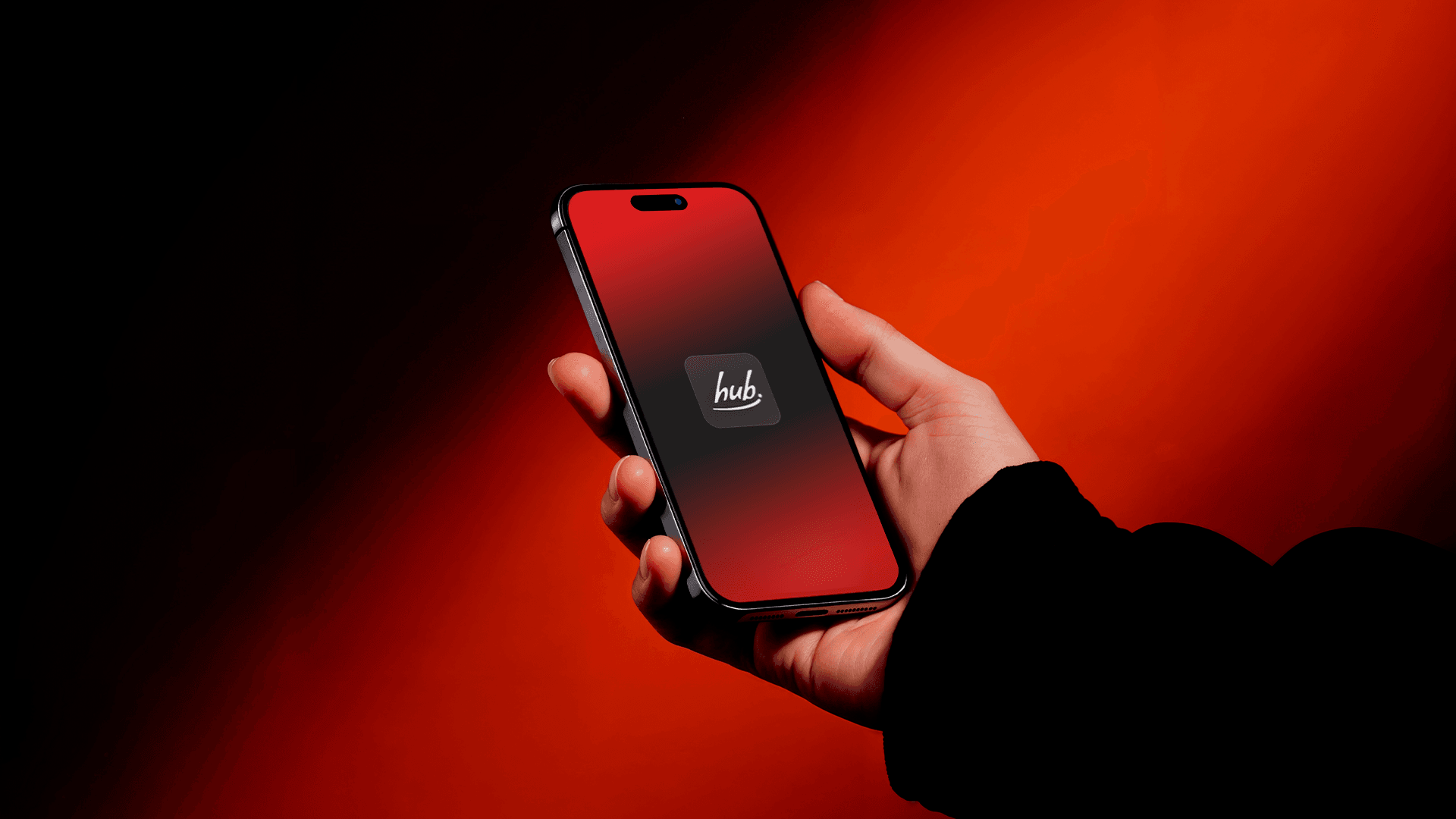
We develop native and cross-platform mobile applications for iOS and Android. With user-experience-focused design, a robust backend infrastructure, and app store optimization, we strengthen your brand's mobile presence. We manage the entire process from idea generation to launch. Explore our Mobile Application Development Service.
Kiosk Software
We develop kiosk software that offers interactive experiences in retail, trade show, museum, or office environments. We install systems equipped with touchscreen interfaces, content management panels, and remote update capabilities. We bring the brand experience to the physical space. Explore our Kiosk Software Services.
Web & Mobile Maintenance and Updates
We don't leave your system unattended after launch. We keep your digital infrastructure constantly up-to-date with security updates, performance monitoring, content updates, and technical support services. A smoothly functioning system is a fundamental requirement for brand credibility. Review our Maintenance and Update Service.
Custom Software Development
We step in where ready-made solutions fall short. We develop CRM systems, ERP integrations, SaaS products, and custom software for your business processes. Each project is designed from scratch according to your brand's business model and growth objectives. Explore our Custom Software Development Service.
Artificial Intelligence Consulting
We create efficiency and competitive advantage by integrating AI tools into your business processes. We offer AI solutions in content creation, customer service automation, data analysis, and personalization. We are by your side as a strategic guide on your digital transformation journey. Explore our AI Consulting Service.

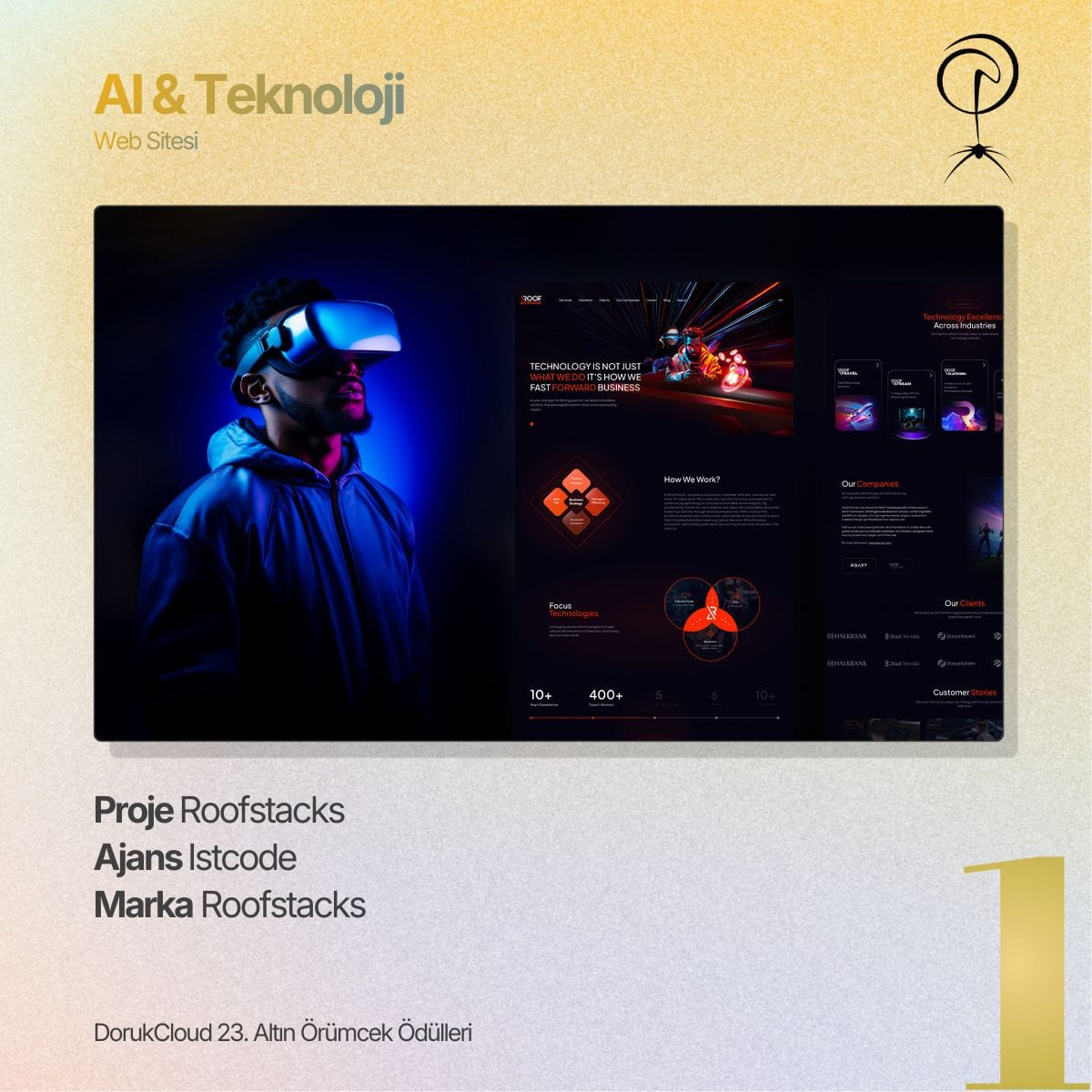
RoofStacks
Technology
Flower
Retail
Liv Hospital
Health
Turk Telekom
Telecommunications
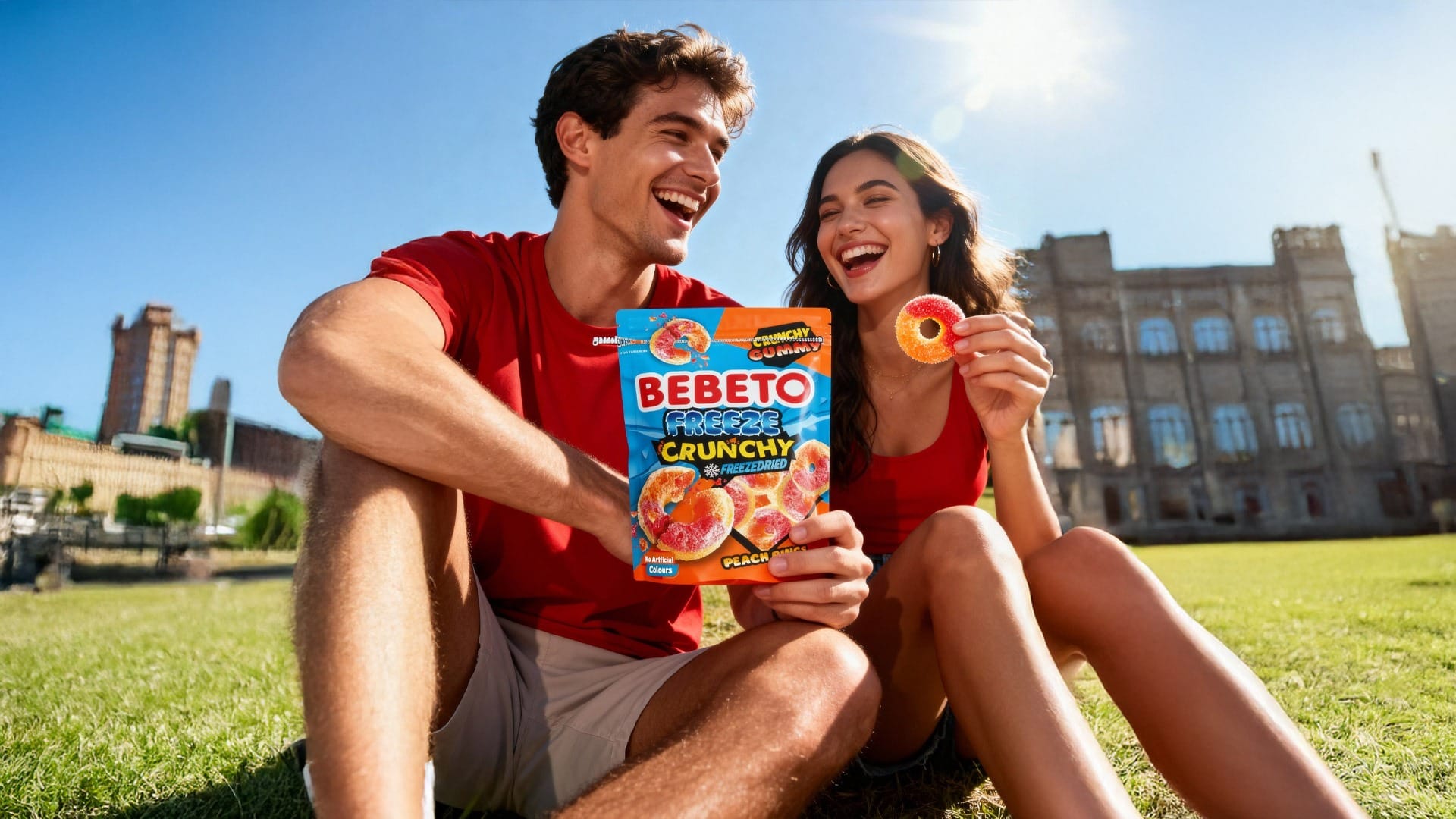
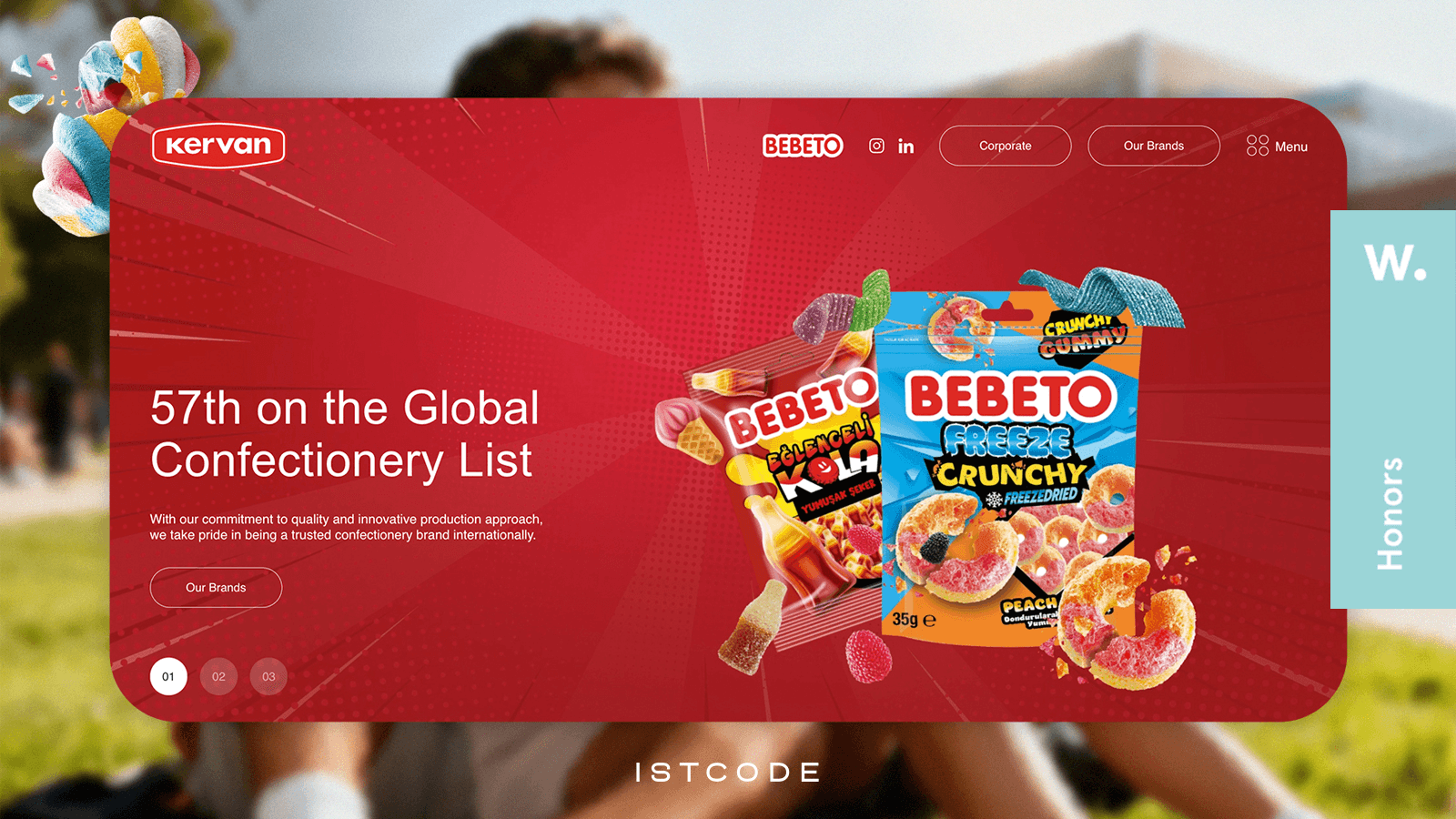
Bebeto
Retail

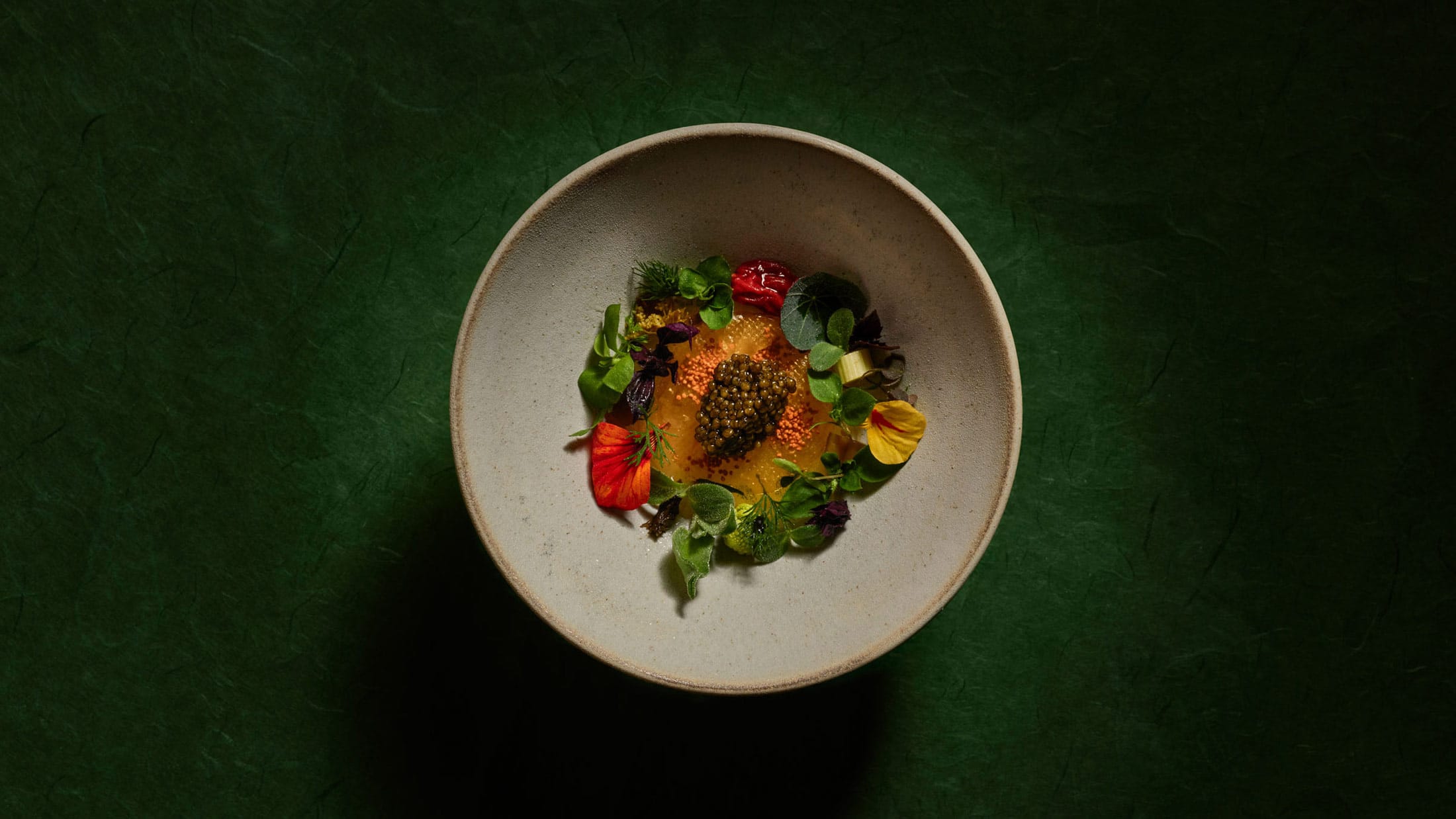
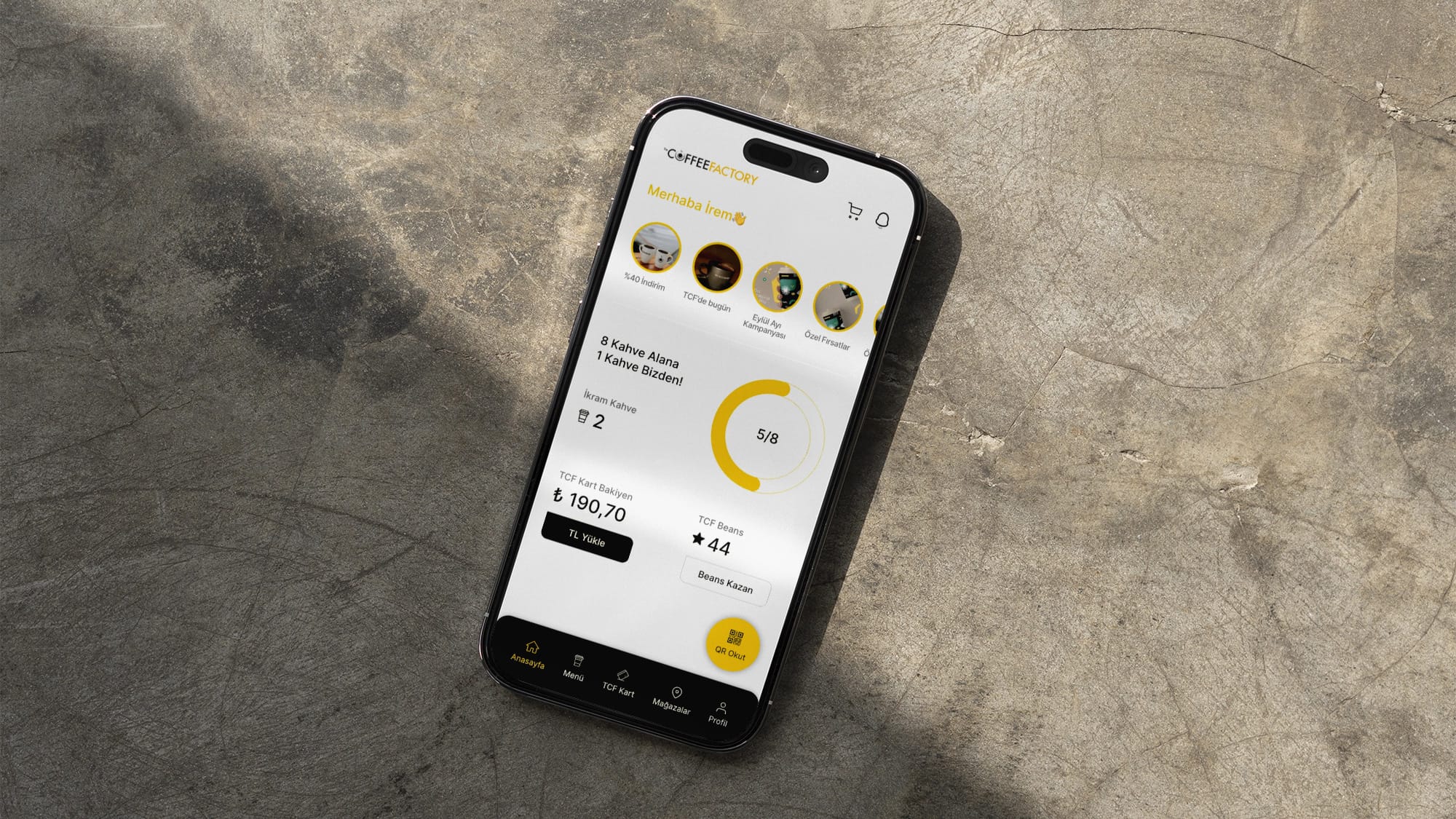
The Coffee Factory
Food
Ford Otosan
Automotive
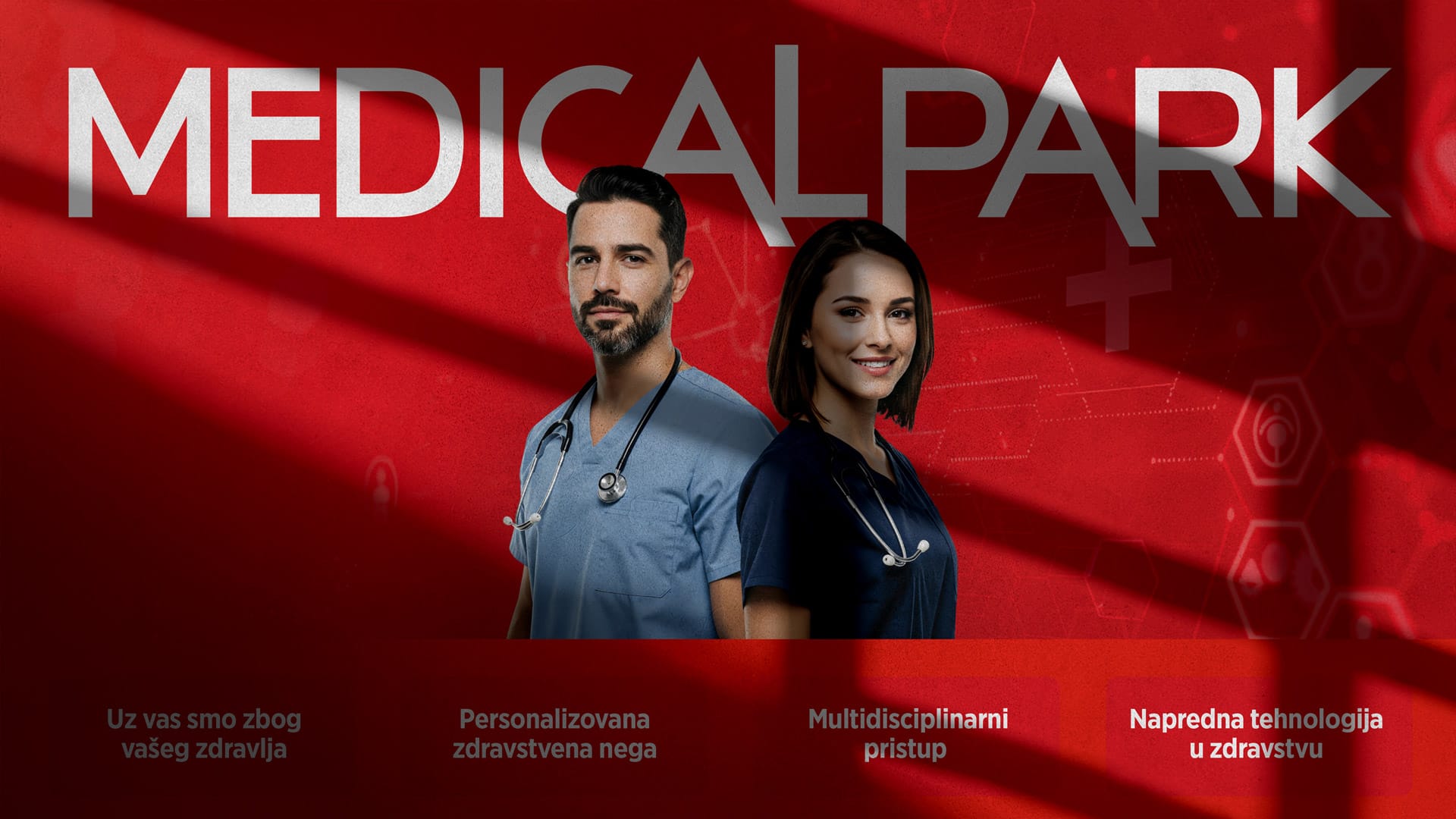
Medical Park
Health
Real Estate Housing
Real estate

We simplify ideas, structure them correctly, and create work that generates value in the long run. This approach defines how Istcode thinks and works.
Year
Experience
Qualified
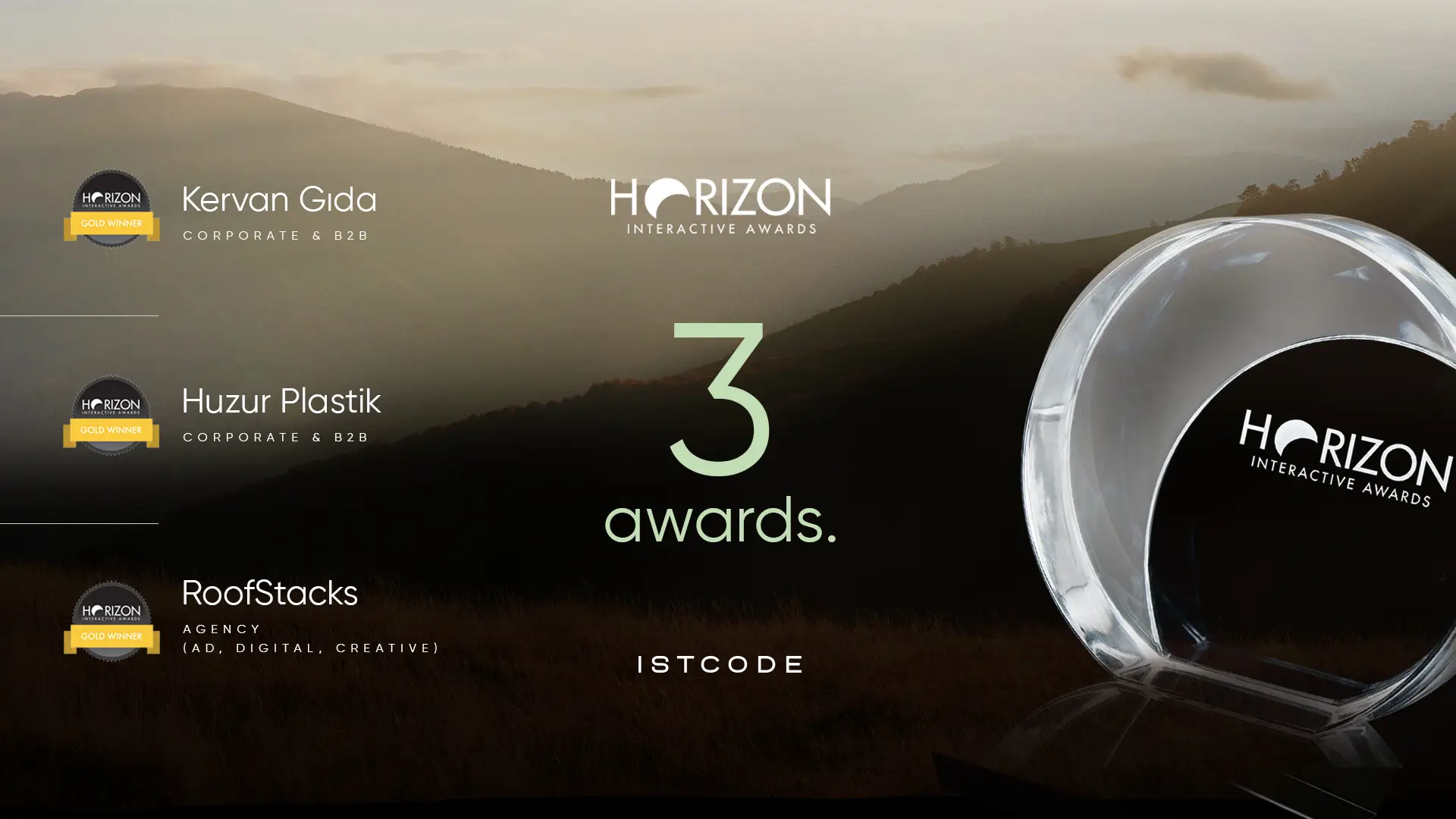
Prize
Completed
Project
Brand
Completed
Projects
Istcode
Blog


Frequently Asked Questions
What are digital agency services?
A digital agency is a structure that offers strategy, design, content, and technology services under one roof, enabling brands to grow in the online world. At Istcode, we provide 360° services ranging from branding and software to digital marketing and creative production.
What does 360° agency mean?
A 360° agency means managing all the digital services a brand needs—strategy, design, content, advertising, and software—under a single agency umbrella, rather than distributing them to separate providers. This approach both increases brand consistency and speeds up processes.
What is the difference between branding and digital marketing?
Branding defines who your brand is—its identity, voice, and visual language. Digital marketing communicates that identity to the right audience through the right channel. The most powerful results are achieved when both work together; one is incomplete without the other.
What should you consider when choosing a digital agency in Istanbul?
Portfolio diversity, industry experience, transparent process management, and a focus on measurable results are the most critical criteria. Additionally, it's important to assess whether the agency can integrate and manage disciplines such as branding, creative, and digital marketing.
How does a project process begin?
The process begins with a briefing meeting. Together, we analyze your brand's goals, target audience, and competitive positioning. Then, we clarify the project scope, timeline, and budget. After approval, we move on to the design and production process.
How long does website or mobile app development take?
Depending on the scope, a corporate website typically takes 4-8 weeks, while a mobile application takes 8-16 weeks. We provide a clear timeline at the beginning of the project and report on progress at each stage.