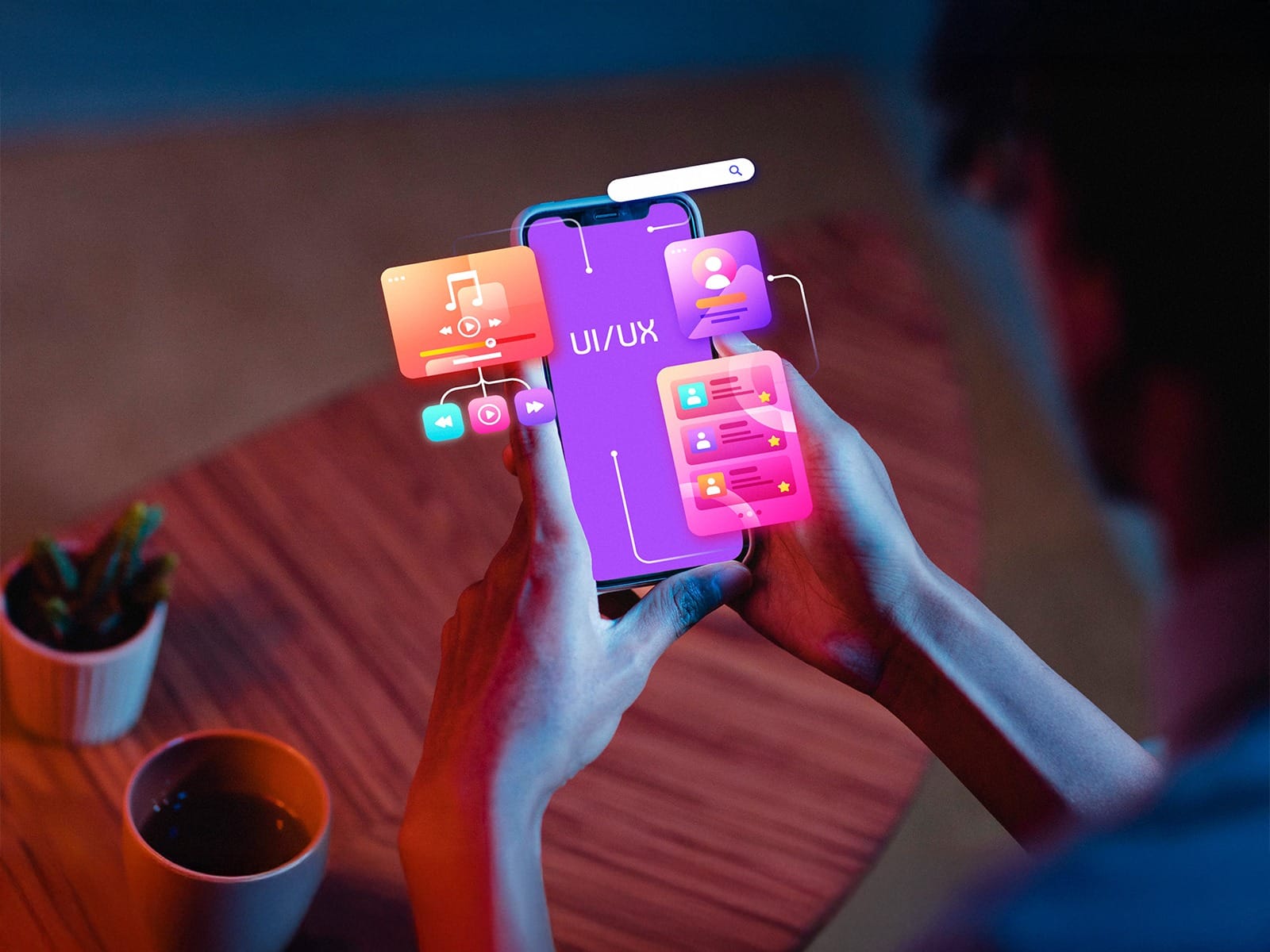
The digital product development process doesn't just focus on visual design; it also centers on how users experience the product. Therefore, the UI/UX development process progresses through planned and strategic steps. At Istcode, we approach the digital experience end-to-end. Furthermore, in every project, we consider user needs, business goals, and technical requirements together. This allows us to produce solutions that are both aesthetically pleasing and functional.
What is included in this content?
1. Exploration Phase
We begin the UI/UX development process with an exploration phase. During this phase, we focus on understanding your business's vision and goals. We also bring together all project stakeholders: business owners, managers, users, and the technical team, who share their perspectives. We organize workshops to clarify expectations. Next, we define the product's purpose and set priorities. Ultimately, we create a robust roadmap for the project.
The discovery phase is critical for the healthy progress of a project because it prevents false assumptions and ensures that teams are aligned around a common goal. This allows the project to progress in a more controlled and efficient manner.
2. Clarifying Requirements
Following the initial discovery phase, we address the requirements in detail. During this process, we evaluate business objectives, user expectations, and technical needs together. We also clarify the final product vision for the project. Furthermore, we prioritize requirements and define the scope. Therefore, we create the long-term strategic plan at this stage.
Clarifying the requirements determines the direction of the project. This allows teams to focus on the right solutions. At the same time, this approach facilitates time and resource management.
3. Market Research
Market research, UI/UX This forms a crucial part of the process. At this stage, we thoroughly examine the market and competitors. We also analyze industry trends. Furthermore, we observe how users interact with existing products. The data we gather allows us to position your product effectively.
We actively use qualitative research methods in particular, because these methods directly support design decisions. As a result, they contribute to the product gaining a competitive advantage.
4. User Feedback
User interviews ensure the process is human-centered. Therefore, we communicate directly with real users. We also strive to understand their needs, expectations, and challenges. In addition, we create empathy maps and user scenarios, allowing us to gain deeper insights.
Based on the information we gather, we design user journeys. We also create possible experience scenarios. As a result, the product better responds to real user expectations.
5. UX Design
During the UX design phase, we address user experience in detail. First, we create the information architecture. Then, we plan user flows. Throughout the process, we maintain continuous communication with stakeholders. We also utilize tools like BPMN to make processes visible.
We consider both user needs and business goals when making design decisions. This ensures the product offers a consistent and user-friendly experience.
6. UI Design
During the UI design phase, we shape the visual identity of the product. This includes determining the color palette, typography, and interface components. We also incorporate data from market research and user analysis into the design. In this way, we create a balanced structure between aesthetics and functionality.
We aim to make it easy for users to use the product. Therefore, we clearly establish the visual hierarchy. As a result, users interact with the interface more quickly.
7. Testing
During the testing phase, we introduce the product to real users. First, we conduct usability tests. Then, we allow users to experience the product in real-world scenarios. We carefully examine the feedback received. If we identify any problems, we address them quickly.
This stage confirms that the product meets user expectations. It also provides a significant opportunity to make final improvements.
Let's design better digital experiences together.
In conclusion, the UI/UX development process forms the foundation of creating user-centric digital products. At Istcode, we put the user at the center of every project. We also consider strategy, design, and technology together. This allows us to create effective and sustainable digital experiences.
Contact us to unlock the digital potential of your business. Let's design the user-friendly digital experiences of the future together.
Social media follower counts are extremely important, especially for business accounts. The number of followers on your social media accounts reflects how well-known you are...
Web design trends for 2026 are no longer just about aesthetic preferences; they define the digital power of brands. In global competition, ordinary designs become invisible. We…
How to Do E-commerce and Where to Start? The question of how to do e-commerce is one of the most researched topics for brands that want to sell in the digital world…
With the rapid development of the digital world, choosing a digital agency is becoming a critical decision for brands. Because brands now need to reach their target audience…
This list of things to know about SEO is invaluable for anyone who wants to be visible in the digital world. Nowadays, simply adding keywords is enough…