


The question "What is web design?" is a critical starting point for brands that want to establish a strong position in the digital world. A brand's online presence...

Our clients frequently ask, "What is Next.js and what is it used for?" This is because the choice of technology directly impacts speed and SEO results. We start each project with a clear goal and select the right infrastructure. Next.js provides us with fast page loading, a strong SEO foundation, and a clean architecture. Furthermore, the team develops and tests more easily and thoroughly. As a result, the user experiences a better experience.

What is Next.js?
Next.js is a React-based web development framework. We use this framework to quickly create modern interfaces. Next.js keeps routing and page structure organized. It also offers server-side content generation options. This allows bots to read the page more clearly. The team experiences less complexity and less repetition. This structure ensures the project's long-term sustainability.
What is Next.js used for?
Next.js speeds up your website and improves content visibility. We generate pages on the server as needed or statically. This approach shortens the initial loading time. Users also see content on the screen faster. Next.js automatically splits code and doesn't download unnecessary files. This reduces the browser load. As a result, interaction flows more smoothly.
What is Next.js and what does it do? A clear answer.
Next.js makes your React web application faster and more visible. We reduce page load with server-side rendering, static generation, and intelligent routing. This prevents user waiting. It also makes it easier for search engines to crawl the content. As a result, performance and SEO are strengthened together.
Why is Choosing a Programming Language Important in Web Development?
In a project, language and framework selection directly impacts cost. If you make the wrong choice, the team will lose speed. When making our selections, we examine the target audience and content structure. We also measure maintenance time and scaling plans. Modern web projects require speed metrics. Core Web Vitals clearly defines these metrics. Therefore, it determines infrastructure performance.
Performance: Net Gains Measured with Core Web Vitals
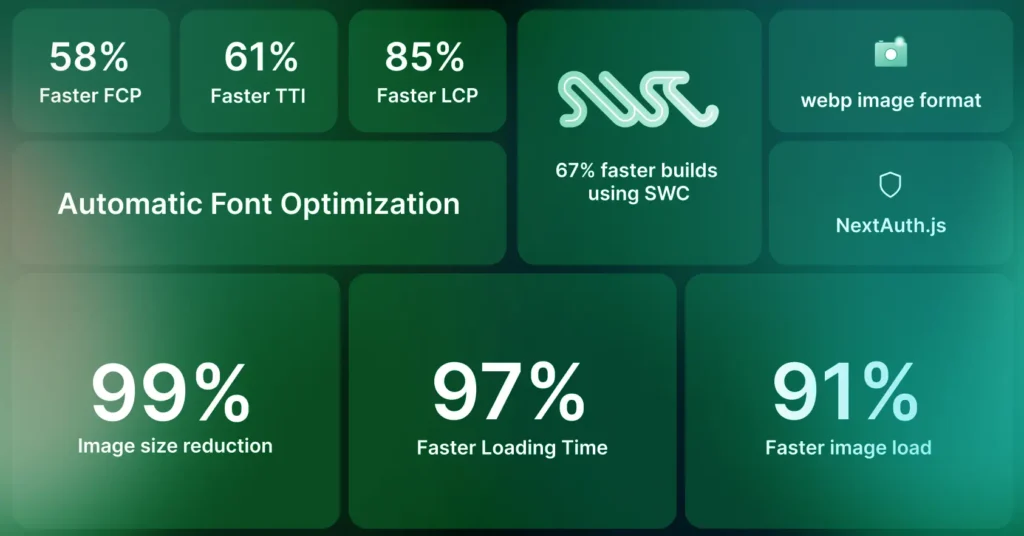
Google links speed metrics to user experience. In our project, we target LCP, INP, and CLS values. Next.js makes it easy to optimize page output. We also manage image and font load more controllably. This results in faster page engagement. This approach makes a significant difference, especially on landing pages and campaign pages. If you want a speed-focused site, build the right foundation.
SEO: Content Gets Indexed Faster, Pages Are More Understandable
For SEO, search engines need to see and understand content quickly and accurately. With Next.js, we organize the content flow more systematically. The content we generate on the server sends cleaner signals to bots. We also manage meta fields more consistently. The Next.js team also prioritizes visibility with an agent-focused approach. This perspective... agentic future You'll see it clearly in the article. As a result, the content strategy will progress more solidly.
Maintenance and Scaling: The Team Develops Faster, You Take Less Risk.
As a website grows, complexity increases. We plan this growth from the start and build a modular structure. Next.js keeps page and component layouts clear. It also makes it easier for the team to manage testing and release processes. This reduces the risk of crashes when adding new features. The site remains stable even under heavy load when you launch campaigns. This approach protects your budget in the long run.
In which projects does Next.js yield more logical results?
Next.js works powerfully in content and performance-oriented projects. We frequently choose this structure for fast loading times on corporate websites. It provides advantages for category and product pages in e-commerce projects. Furthermore, its modular component structure speeds up work in SaaS interfaces. Route management becomes easier on multilingual sites. If you set growth targets, this infrastructure will support you, thus delaying the need for rewriting.
Why do we prefer Next.js?
When choosing technology, we don't settle for a "it has to work today" approach. We pursue speed, SEO, and sustainability goals simultaneously. That's why we answer the question "What is Next.js and what does it do?" with results. Content performs better when a solid foundation is established in the project. If you are planning a comprehensive project... website development Starting the process with a strategy provides an advantage. This way, design, content, and infrastructure all work towards the same goal.
If you want to grow your brand digitally and build a sustainable technology infrastructure, contact us. Share your goals and example websites, and we'll quickly analyze them. Then, together with Next.js, we'll finalize the most suitable architecture. We'll also set measurable performance goals and plan the timeline. Contact us now to receive a quote for your project. digital agency Send the brief to our team. Start today, get results faster.

Choosing the right Mobile App Development Company directly impacts the fate of your digital investment. You don't just get an app developed; you get your brand...

The question "What is digital marketing?" puzzles anyone looking to grow their brand. Today, consumer behavior changes rapidly, and brands have a presence on digital channels…