


The question of how to write SEO-friendly articles is among the most critical issues for brands looking to grow organic traffic. Because a good article doesn't just provide information; it also increases visibility, attracts the right audience, and builds trust. When we create content, we consider all four of these goals together. You can achieve even stronger results if you proceed with a clear plan.
What is included in this content?
How to Write SEO-Friendly Articles?
How to write SEO-friendly articles? First, choose the keyword. Then, understand the search intent. Create a clear title. Divide the content into logical sections. Offer real value to the reader. We regularly apply this structure. You can follow the same system to write content that satisfies both the user and the search engine.
A good article doesn't gain power simply by increasing word count. The real difference comes from giving the right answer to the right question. Therefore, the purpose of the content must be clear from the outset. We first determine what the reader is looking for. Then we structure the flow according to that need. Before you begin writing, define the main question and the expected benefit in a single sentence.
How to Conduct Keyword Research?
Keyword research is a fundamental step in determining the direction of an article. Incorrect keyword selection weakens even the right content. However, simply looking at high volume isn't enough. Intent, competition, and conversion potential must be considered together. We gather sub-questions surrounding the main query. You can plan both information-focused and solution-focused variations together.
At this stage, the user shows which keywords they are searching for. When you correctly interpret these signals, you create stronger headlines. The content plan also progresses more clearly. We shape the topic clusters accordingly. You can also expand the strategy. Our SEO service approach You can review and plan your content goals in a more systematic way.

How to Create a Title and Content Structure?
The headline is the first thing a user sees, so it must be both clear and powerful. The H2 and H3 structures are equally important, because good headlines don't just divide the text; they also guide the reader. We connect each headline to a single question. You can also enhance the flow by offering new value in each section.
The content structure should maintain a balance between introduction, body, and conclusion. The first paragraph should introduce the topic. The middle sections should provide examples and explanations. The final section should provide a clear course of action. We carry a single main idea in each paragraph. You should also keep the sentences short and clear. This makes the text easier to read and encourages users to stay on the page longer.
How to Write SEO Titles?
When writing SEO headlines, positioning the keyword near the beginning provides a significant advantage. However, the headline should maintain its natural flow. Forcing the keyword will lower the quality. We establish both clickbait and search engine relevance in the headline. You can also make the headline more appealing by adding emphasis on benefits, results, or methods. This will lead to healthier click-through rate growth.
Why is Search Intent Important in SEO-Friendly Content?
Search intent reveals the user's true expectations. One person searches for a definition. Another wants to see examples. Yet another user directly searches for a service. Therefore, each article should serve a single dominant intent. We choose the content type accordingly. You too should proceed without confusing information, comparison, and conversion goals.
When search intent is correctly established, a strong connection is created between the title and the content. This connection improves the user experience. Furthermore, the content appears more trustworthy. Google explicitly promotes a helpful and human-centered content approach; this framework... In the Google Search Central directory You can see that. We first clarify the intention. You should also definitely answer this question before you start writing.

How to Improve Readability and User Experience?
Readability directly determines the impact of an article. Complex sentences tire the reader. Long blocks of text distract attention. Vague expression undermines confidence. That's why we use clear verbs. We soften the flow with transition words. You should also maintain a single focus in each paragraph and eliminate unnecessary repetitions. As a result, the text will look more professional.
Images also support the user experience. The right image enhances the explanation without interrupting the text. Additionally, alt texts enrich the meaning of the page. We match each image to its content purpose. Instead of randomly selecting images, use elements that serve the topic. To improve content quality... copywriting and content editing support You can also include them in the process.
How many times should the keyword be used in the article?
Using the keyword naturally is the best approach. Excessive repetition makes the text artificial, while too little repetition weakens the focus. We incorporate the key phrase evenly in the title, introduction, and appropriate subheadings. You should maintain the same balance. Especially for queries like "how to write SEO-friendly articles," always prioritize coherence.
Why are internal, external links, and image usage necessary?
Internal links guide the user to the next step. External links enhance conceptual trust when needed. Images also support the narrative. However, each element should carry natural context. We don't add links just for space. You should also ensure that every link and every image serves the text. This makes the content appear more balanced and functional.
Internal links are strategically important, especially on service-oriented websites. Users want a logical transition from an article to a service page, and this fosters trust. We plan the link structure in advance. You should also structure your blog content to align with your brand narrative. Furthermore, keep your link text clear. On the other hand, maintain a natural balance without overdoing the link density.
How to Perform Post-Publication Optimization?
The work doesn't end after an article is published. That's where real improvement begins. Click-through rate, time spent on the page, and average ranking should all be monitored together. We retest low-performing titles, update the content, and strengthen the CTA structure. If you also act based on data, you will achieve more consistent growth over time.
If you want more visible, trustworthy, and demand-generating content for your brand, take a decisive step today. Re-evaluate your content plan. Update weak articles. Strengthen your headline structure. We will manage the process together in terms of strategy, content, and optimization. Contact us today, share your brief, and get a quote for your SEO-focused content plan.



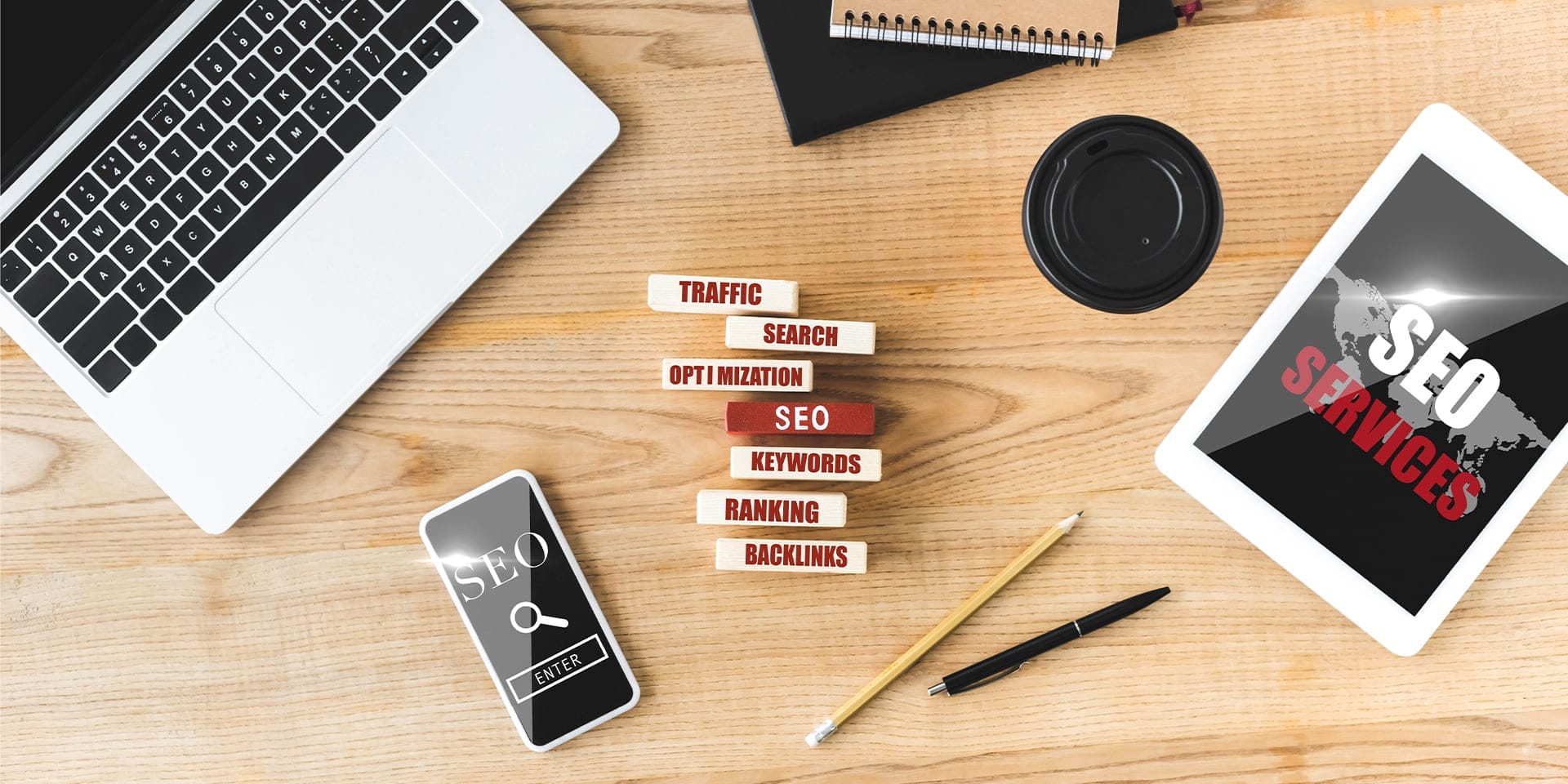
The question of how to improve organic ranking is a critical starting point for every brand that wants to grow digitally. Because the right strategy is more important…
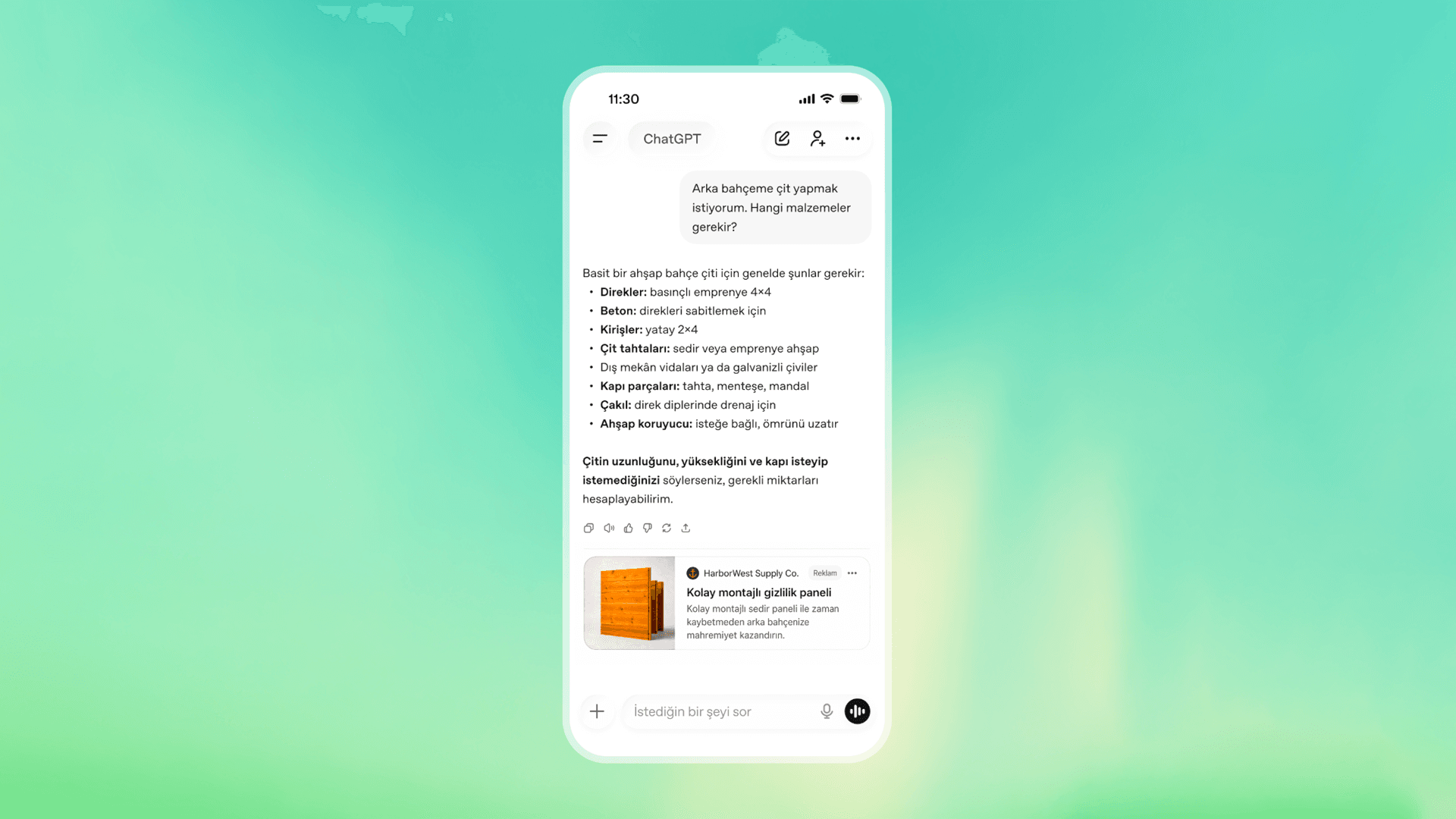
ChatGPT ads offer brands a new digital advertising channel to reach users during research and decision-making processes. OpenAI provides advertisers with campaign management…

Artificial intelligence tools have become a hot topic in the business world over the past two years, especially for marketing, sales, and operations teams.

This list of things to know about SEO is invaluable for anyone who wants to be visible in the digital world. Nowadays, simply adding keywords is enough…