


The question "What is web design?" is a critical starting point for brands that want to establish a strong position in the digital world. A brand's online presence...
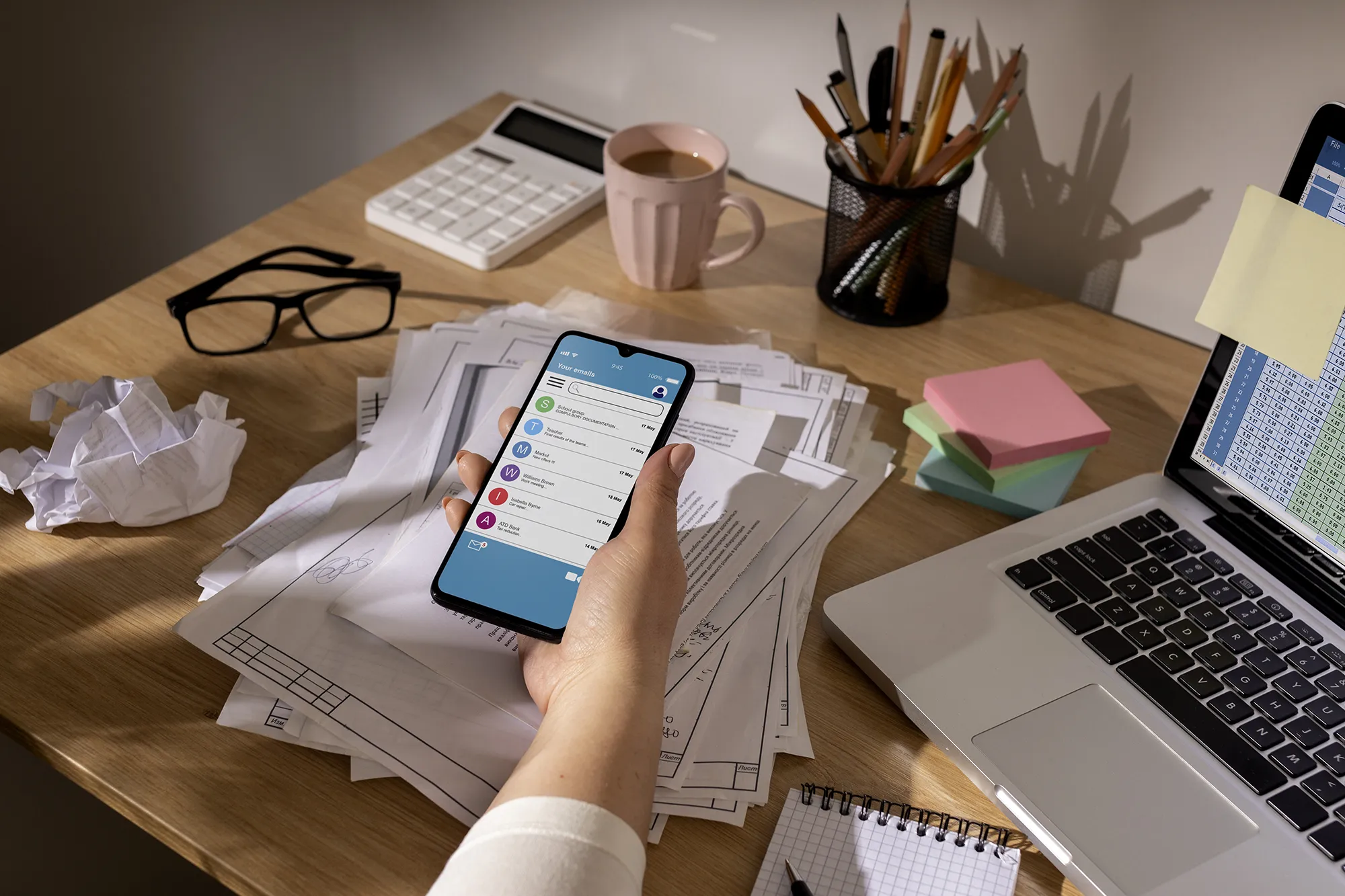
Today, mobile applications play a vital role in expanding businesses' digital presence or enhancing user experience. Digital agencies meet this demand by offering mobile application development services to their clients. However, certain key steps must be followed to successfully complete a mobile application project.
Steps Followed by Digital Agencies in the Mobile Application Development Process
The purpose of the mobile application, Factors such as target audience and functions are determined. Agencies work with the client to understand their needs and define project goals. Based on the needs analysis, the agency develops a concept. At this stage, elements such as the application's design, user interface, and features are determined. Ideas materialize by creating prototypes. Mobile application It is important that it has a user-friendly design. Agency, This stage involves creating the application's user interface and visual design. The goal is to present a design that aligns with the brand identity. Coding of the application is carried out at this stage. The appropriate programming language and tools are selected according to the platform used for mobile application development (iOS, Android, etc.). Frequent tests are conducted and errors are corrected throughout the development process.
The mobile application is available in the relevant app stores (App Store, The agency submits the application to Google Play, etc. The agency guides the client through the application's publication and distribution process. After the mobile application is released, the agency continuously monitors its performance and manages updates. Bugs are corrected based on user feedback. Performance improvements are made by adding new features. An effective marketing and promotion strategy is crucial for the application's success.
Steps in Mobile Application Development
- Opinion and Analysis
The first step is developing and thoroughly analyzing a mobile application idea. Identifying the target audience, examining similar applications, and conducting market research are crucial.
- Identifying Needs
Following the analysis process, the application's core needs are determined. This stage focuses on understanding what kind of user experience is desired and what features the application should offer.
- Design
This is the user interface (UI) and user experience (UX) design phase. A user-friendly interface design is created. Design elements are formed by planning the application flow and navigation.
- Development
During the development process, mobile application codes are written according to the selected platforms (iOS, Android, etc.). At this stage, application functionality And its features are being improved. Server-side integrations are being made and database management is being performed if necessary.
- Testing and Error Correction
Testing the application involves identifying and correcting errors. Both... usability tests Functionality tests are also conducted. Feedback is collected, and the application is continuously improved.
- Distribution
The mobile application is uploaded to the target platforms (App Store, Google Play Store, etc.). The publishing processes specified by the platforms are followed, and the necessary information (screenshots, description, release notes) is provided.
- Marketing and Promotion
Strategies are being developed for marketing and promoting the application. This phase includes social media, press releases, advertisements, and other methods. marketing methods It is used.
- Continuous Improvement
The application is constantly being improved based on user feedback and analytical data. New features are added, and performance and usability are enhanced.
Who is involved in the mobile application development process?
The mobile application development process involves several individuals or teams working in different roles. Here are some key teams or roles involved in the mobile application development process:
- Project Manager: The project manager, mobile application This person manages and coordinates the development process. They facilitate communication between the client and other teams, manage the project timeline and resources, and ensure goals are achieved.
- Strategists and Analysts: The strategy and analysis team analyzes client needs and the market to develop appropriate strategies. They conduct user research, perform competitive analysis, and create marketing strategies.
- Design Team: The design team is responsible for user experience and user interface design. Graphic designers create a user-friendly design and ensure a visual design that aligns with the brand identity.
- Development Team: The development team is responsible for coding the mobile application. This team consists of front-end and back-end developers. They implement the application's functionality using programming languages and tools appropriate for the desired platforms (iOS, Android, etc.).
- Testing Team: The testing team conducts tests to identify bugs and shortcomings in the application. They apply various tests, including usability tests, performance tests, compatibility tests, and security tests. This ensures the application operates in a stable and user-friendly manner.
- Marketing and Business Development Team: The marketing and business development team is responsible for promoting the application, developing marketing strategies, and acquiring users. They work to ensure the application reaches its target audience, create awareness among users, and conduct marketing efforts to ensure the application's success.
Meanwhile: We offer a comprehensive resource where you can find the latest technology trends, practical tips, and best practices. Don't forget to follow Istcode and visit us from time to time!
SIMILAR ARTICLES

Choosing the right Mobile App Development Company directly impacts the fate of your digital investment. You don't just get an app developed; you get your brand...
Istcode
The question "What is digital marketing?" puzzles anyone looking to grow their brand. Today, consumer behavior changes rapidly, and brands have a presence on digital channels…