

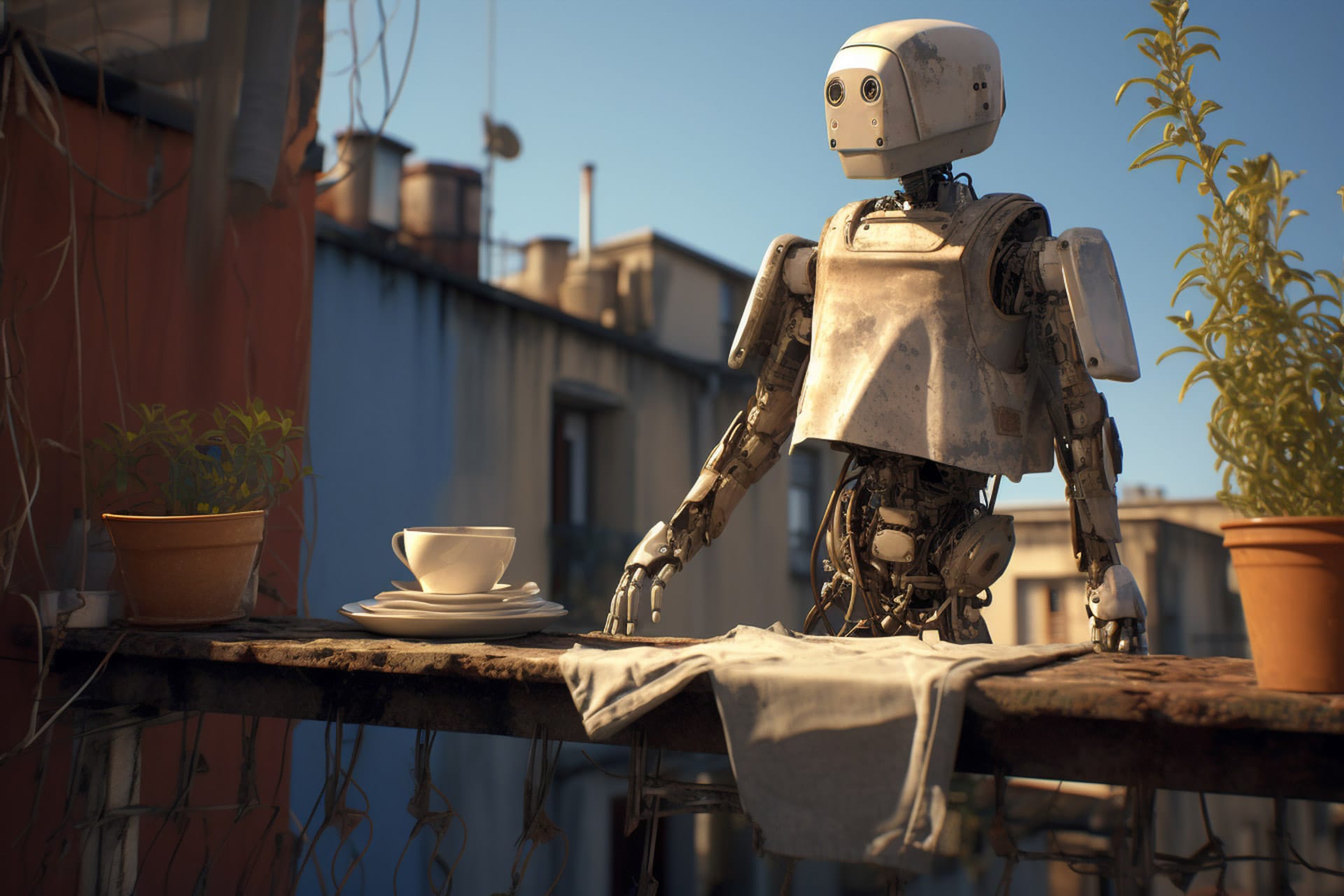
The Impact of Digitalization and Social Transformation on Media
The question of whether artificial intelligence will replace traditional media is frequently debated today. Digitalization, in particular, is fundamentally transforming the media landscape. In this context, technology is not merely a tool; it also shapes social relations. According to Manuel Castells, technology cannot be considered independently of society. Therefore, media transformation is a social, not a technical, process.
However, digitalization has accelerated access to information. It has also changed media consumption habits. In the past, traditional media set the agenda. But today, algorithms are sharing this role. Therefore, AI-powered systems are becoming more influential in the media field.

How Powerful is Traditional Media Against Artificial Intelligence?
For many years, traditional media has been a primary force shaping public opinion. However, digitalization has significantly transformed this power. AI-powered robot journalists, in particular, have accelerated this process, resulting in faster news production and substantially reduced costs.
For example, the Digital News Initiative, supported by Google, is a prime example of this transformation. These systems analyze data in real-time and then automatically transform that data into news. According to Noam Lemelshtrich Latar, this creates competition and also reduces labor costs.
The Impact of Artificial Intelligence in the New Media Ecosystem
Today, new media is one of the areas where artificial intelligence is used most intensively. First, algorithms analyze user behavior. As a result of these analyses, personalized content is presented. This increases user interaction. Consequently, content production becomes more targeted.
However, these developments also bring certain risks. Deepfake technologies, in particular, facilitate media manipulation. Therefore, the line between reality and falsehood becomes blurred. Baudrillard's concept of hyperreality explains this situation. Consequently, media can override reality through simulation.
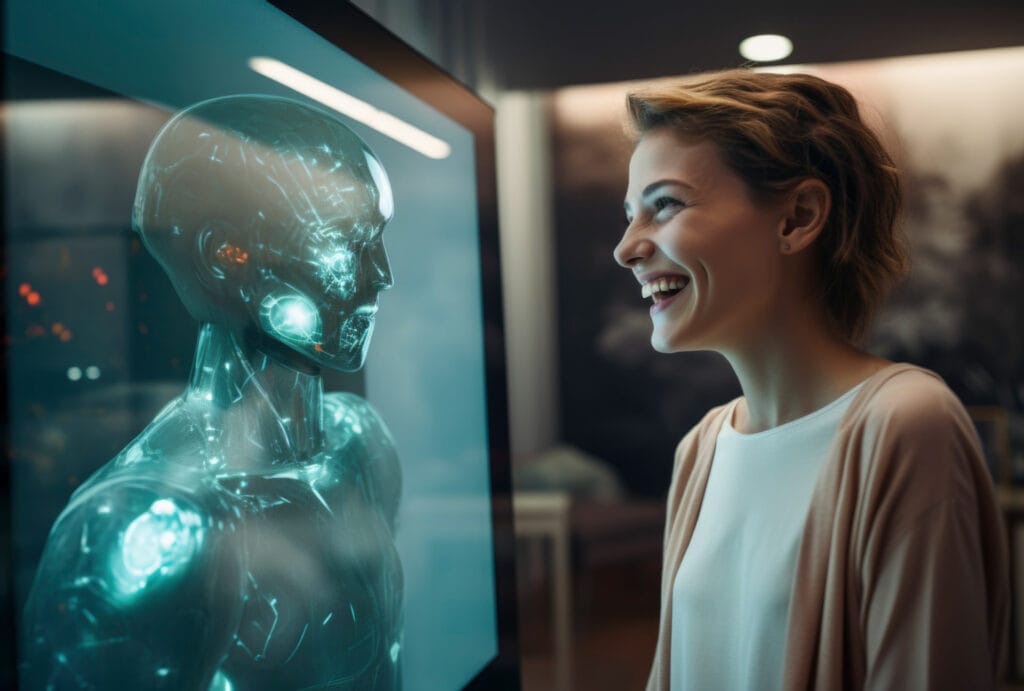
Artificial Intelligence, Ethical Issues, and Gender
In fact, artificial intelligence is not just a technical tool; it also reflects societal values. Emel Uzun Yedekci offers an important critique on this point. According to her, technological systems are designed according to certain patterns. Therefore, these patterns are also reflected in artificial intelligence.
Artificial female figures, for example, are a clear illustration of this. Similarly, virtual beauty pageants make this visible. Thus, gender stereotypes are reproduced in the digital environment. Therefore, ethical responsibility is of paramount importance. Ultimately, the human touch should not be completely eliminated.
The Future of the Relationship Between Media and Artificial Intelligence
The relationship between artificial intelligence and media will strengthen further in the future. This process will offer new opportunities, but it will also create new responsibilities. At this point, media literacy becomes critical, because individuals need to be able to understand algorithms.
In conclusion, artificial intelligence will not completely replace traditional media, but it is profoundly transforming it. Therefore, ethical values must be preserved, and the human factor must remain at the center of the system. Otherwise, the media may lose its credibility.
For further analysis our digital marketing guide And our media literacy content You can check it out. Also, for basic information about artificial intelligence... Britannica Artificial Intelligence The source is useful.
Take action!
Finally, would you like to closely follow the digital transformation? Then follow our blog. That way you won't miss the impact of artificial intelligence on media.




Artificial intelligence technology has become an important part of daily life with the acceleration of digitalization. Today, individuals and institutions actively use this technology…

The digital marketing world is changing faster every day. One of the most powerful factors driving this change is artificial intelligence….

AI search optimization is fundamentally changing digital visibility strategy. Because users are no longer scanning traditional search results, but are now directly asking questions to AI chatbots…
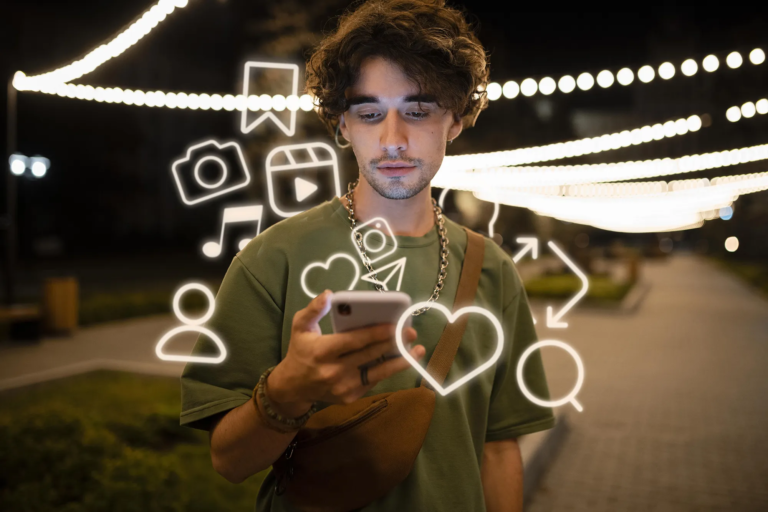
On social media, artificial intelligence is directly changing the direction of digital communication. Brands are no longer just creating content; they are also making data-driven decisions.
When Bard ChatGPT was launched as a competitor, it sparked significant activity within the AI ecosystem. We don't see this development as merely a technical innovation…
The question of how artificial intelligence will affect digital marketing has become one of the most critical issues on the marketing world's agenda in recent years. Digital channels…