The question "What is semantic SEO?" offers a crucial starting point for brands looking to permanently increase their search visibility. Simply adding keywords is no longer enough. Google wants to understand the context holistically. Users expect clear, in-depth, and relevant answers. That's why we build our content plans around meaning, context, and intent. By adopting the same approach, you can achieve stronger traffic and healthier rankings.
What is included in this content?
What is semantic SEO and why is it important?
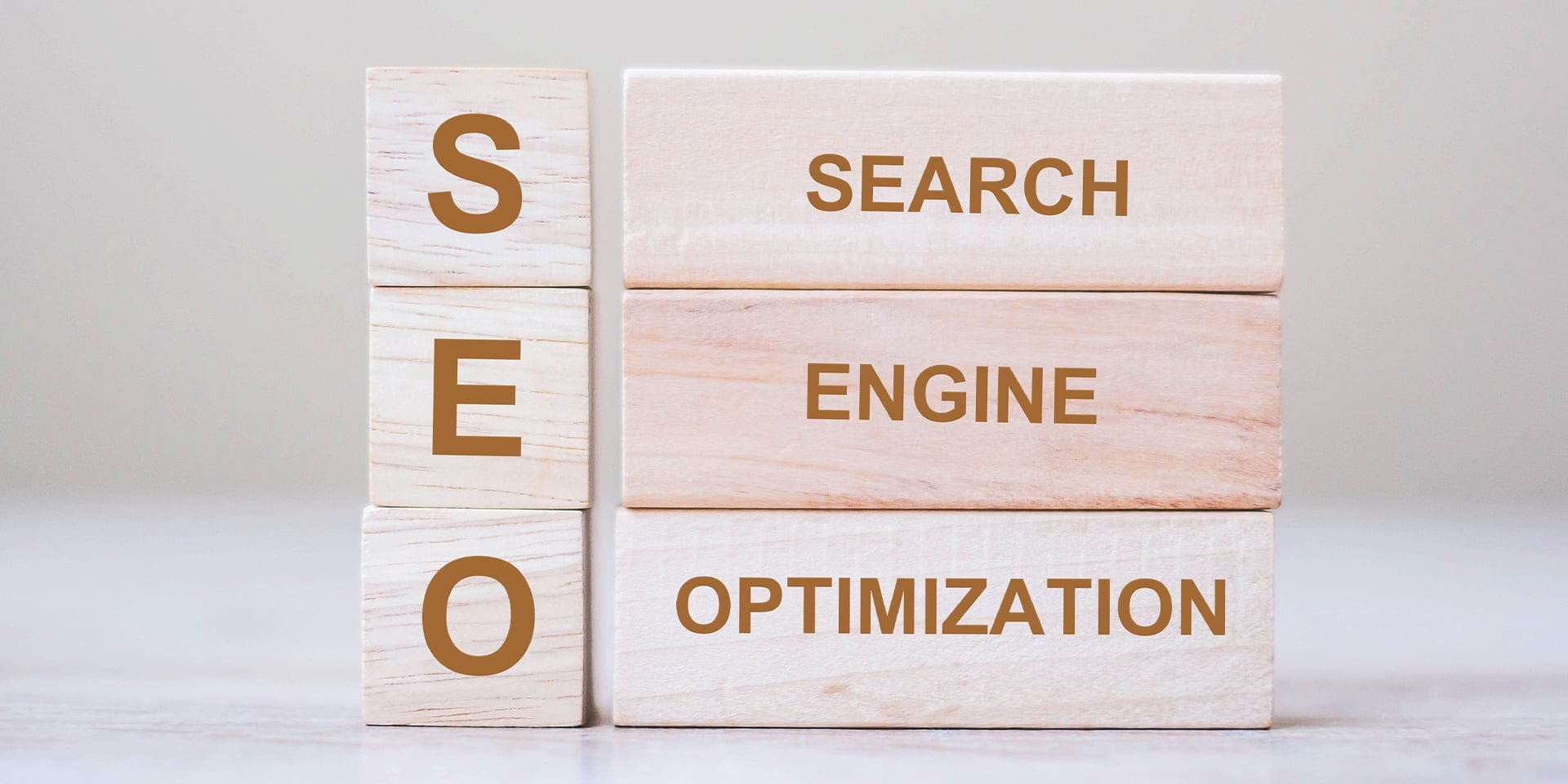
What is semantic SEO? This is a content approach that addresses a topic not just with a single keyword, but also with related concepts, sub-questions, and user intent. This method provides search engines with stronger context. Visitors receive more satisfying answers. We establish subject authority with this structure. You can also make your content more visible.
Traditional SEO often revolves around a single keyword. However, user searches are now more detailed. People don't just want definitions; they also look for examples, comparisons, and application steps. That's why we broaden the conceptual relevance in your content. If you structure your subheadings accordingly, the page will appear more natural and comprehensive. Consequently, search engines will interpret your content more clearly.
How does semantic SEO work?
At the heart of this approach is user intent. First, we identify the main question. Then, we derive sub-questions related to that question. Next, we process the concepts in a logical order. This ensures the content progresses holistically, rather than in fragmented parts. We structure headings, paragraphs, and internal links according to the same topic map. By establishing this structure, you can address more queries on a single page.
For example, when someone searches for semantic SEO, they don't just want to see a definition. They also want to understand how it works. They're curious about which tools to use. They want to learn how to plan the content. That's why we use entities, synonyms, and related terms around the main topic. By adopting this approach, you can create a more natural content flow. As a result, the page looks both more useful and more persuasive.
Why are topic clusters prioritized over keywords?
Semantic structuring doesn't aim to repeat a single word. Instead, it establishes clusters of topics. The homepage conveys the core intent. Supporting sections answer sub-questions. This method both strengthens user flow and adds depth to the content. We carefully select these clusters when building our content architecture. You should do the same when developing your strategy. Our SEO solutions You can examine it and follow a more systematic approach.
Topic clusters provide two significant advantages to a brand. The first advantage is a broader scope for queries. The second advantage is a more consistent internal linking structure, because similar content naturally supports each other. We assign a single role to each page. You should also separate your directory, category, and service pages using this logic. On the other hand, each piece of content shouldn't address the same question; each should fill a clear gap.
How to plan content for semantic SEO?
During the planning phase, first write down the main user question. Then, gather the subtopics surrounding this question. List frequently asked questions. Note the points that competitor content is missing. We will then combine this data into a single flow. If you maintain the order of definition, benefit, example, and application, you will produce more understandable content. This way, the visitor will not get lost on the page and will quickly find the answer they are looking for.
Heading structure also plays a critical role here. H2 headings should carry the main subtopics. H3 headings should elaborate on narrower questions. Paragraphs should maintain the same intention. Additionally, transition sentences should soften the flow. Google explicitly recommends the creation of useful and human-centered content; In the Google Search Central directory You can see that. That's why we create value first, then strengthen optimization.
How do internal linking and brand context enhance semantic power?
Semantic SEO isn't limited to on-page text alone. Site-wide context is also crucial. Internal links establish this context. The right link guides the user to a new and relevant step. We don't add links randomly. You should also select pages that contribute to the content flow. To strengthen brand language and perception... brand positioning approach Include this in the strategy as well.
This method more clearly enhances the sense of authority because users see different aspects of the same topic as they move from one page to another. Search engines easily understand this relationship. We predetermine the purpose of each link. You should maintain the same discipline. Also, avoid forced repetition in anchor text. As a result, when context remains strong, your content truly adds value to each other.
Common mistakes in semantic SEO.
The most common mistake is thinking that semantic SEO is simply about adding synonyms. This is far too narrow a thinking, because the real power comes from establishing topic-related connections. Another mistake is writing unnecessarily long content. We convey a clear purpose in every paragraph. Instead of making it longer, increase clarity. Strengthen the initial interaction, especially by answering user questions early.
Another mistake is grouping all pages around the same main intent. This creates content conflict. Pages within the same site interfere with each other. We assign a different goal to each page. You should also clarify which pages are for descriptive purposes, which are for guidance, and which are for service purposes. Furthermore, regularly measure performance. Because without data, you can't understand which content requires more power.
What should you do to accelerate organic growth with semantic SEO?
First, determine your main topic. Second, formulate sub-questions. Third, establish the headline structure. Fourth, plan internal links. Fifth, update the content with current data. We apply this system regularly. If you adopt the same discipline, you won't leave the question of "what is semantic SEO?" as a theory, but will transform it into a strategy that directly produces results.
If you want to grow your brand's search visibility not just for traffic, but for the right demand, take a decisive step now. Review your content titles. Restructure your topic clusters. Strengthen weak pages. We manage the process together on strategy, content, and structure. Contact us today, share your brief, and get a quote for your semantically focused SEO roadmap.
Digital marketing and social media management play a critical role in enabling brands to gain visibility in the digital world and achieve sustainable growth.
The question "What is mobile marketing?" has become critical for every brand that wants to grow today. Users are constantly looking at their phones throughout the day. Products…
When Bard ChatGPT was launched as a competitor, it sparked significant activity within the AI ecosystem. We don't see this development as merely a technical innovation…
AI search optimization is fundamentally changing digital visibility strategy. Because users are no longer scanning traditional search results, but are now directly asking questions to AI chatbots…