


In marketing, visual design is no longer just an aesthetic preference. Today, brands strategically use visual language to attract and be memorable to users. At this point, AI-powered visual design and color selection make a significant difference in the marketing world. Especially from 2024 onwards, AI accelerates and makes visual decision-making processes more accurate.
What is included in this content?
This article discusses the role of visual design in marketing. We then examine the impact of color on consumer behavior. Finally, we evaluate the use of artificial intelligence in color selection and visual design, using real-world brand examples.
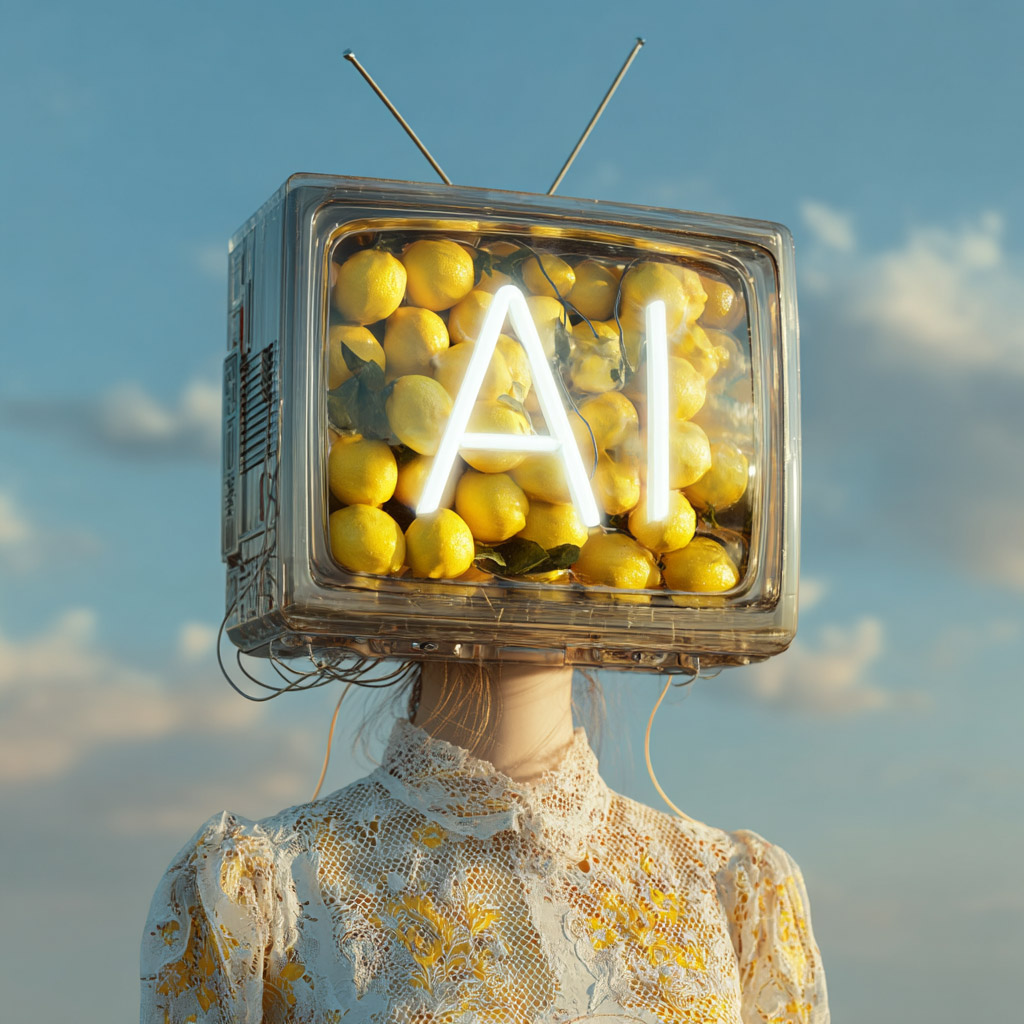
The Role of Visual Design in Marketing
Visual design conveys a brand's character in seconds, because users often make their first contact with a brand through visuals. Therefore, an effective visual language directly impacts marketing performance. Aesthetically strong visuals enable faster message comprehension and build trust in the brand.
Furthermore, visual design isn't just about looking good; it also solves problems. It guides the target audience, encourages action, and shapes brand perception. This is precisely where artificial intelligence helps designers make more informed decisions.
The Influence of Colors on Consumer Behavior
Colors directly influence human psychology. Therefore, color selection in marketing is not random. Research shows that colors significantly affect purchasing decisions. For example, some colors stimulate appetite while others evoke a sense of trust.
- Red: Energy, passion, and appetite.
- Orange: Movement, perception of affordability
- Yellow: Optimism and attractiveness
- Green: Nature, health and sustainability
- Blue: Trust, calmness, and professionalism.
- Purple: Luxury and creativity
- Black: Power, prestige, and authority
Therefore, brands determine their color strategy according to their target audience. However, this analysis is time-consuming when done manually. This is where artificial intelligence comes in.
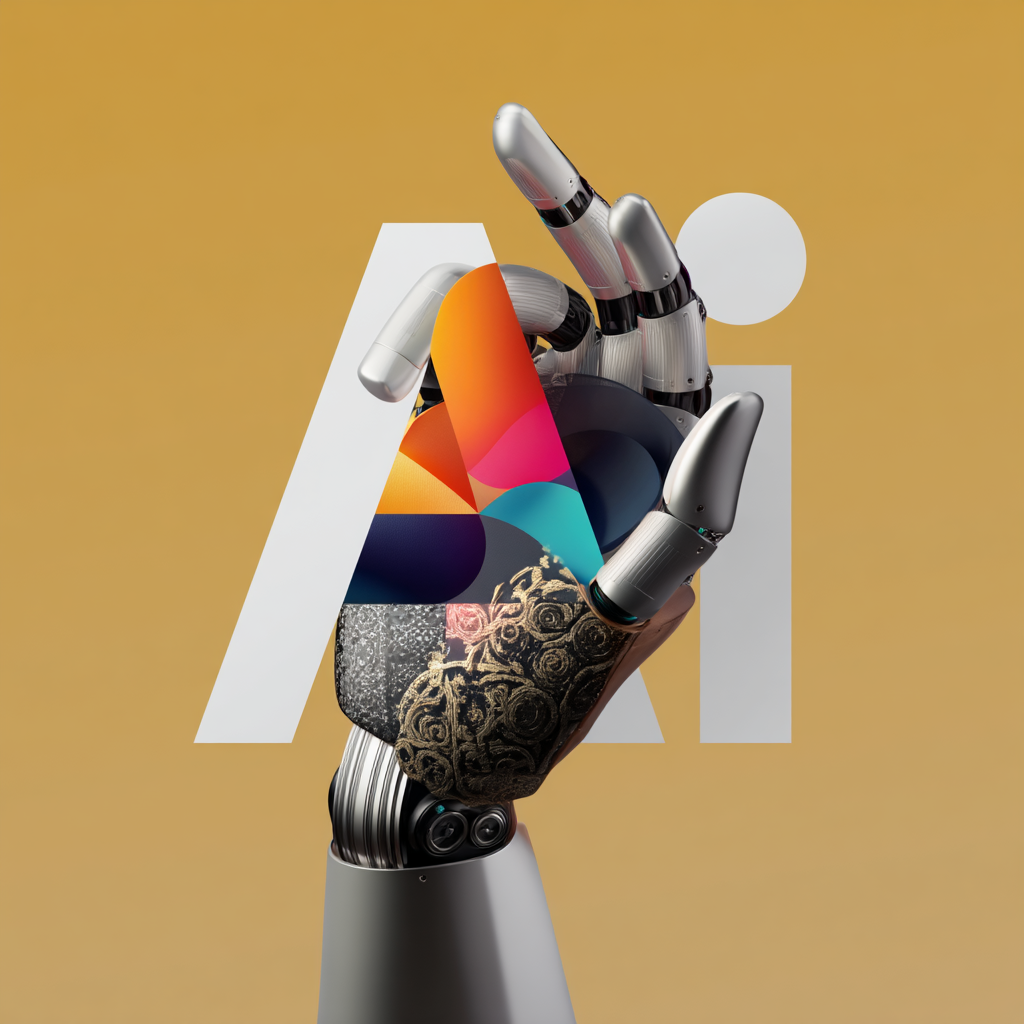
Color Selection and Visual Design with Artificial Intelligence
Artificial intelligence analyzes large datasets to reveal which color combinations perform better. Tools like Adobe Sensei and Google DeepDream examine target audience behavior and offer suggestions to designers. This allows brands to make data-driven decisions, rather than relying solely on intuition.
Moreover, artificial intelligence doesn't just look at past data. It also analyzes trends and offers predictions for the future. This allows brands to gain a competitive edge in the visual world.
Examples of AI-Powered Visual Design from Brands
Netflix
Netflix analyzes users' viewing habits and creates personalized posters accordingly. For example, a user watching horror movies will see dark and suspenseful visuals, while a user watching romantic comedies will encounter warmer and softer colors. This approach directly increases viewing rates.
Coca-Cola Y3000
Coca-Cola utilized artificial intelligence in the design of its Y3000 packaging. The AI analyzed the color and design preferences of its young target audience. As a result, the brand created a modern and eye-catching packaging design.
Ülker Albeni
Ülker utilized AI-powered analysis when redesigning its Albeni packaging. The AI revealed that warm colors trigger positive emotions. Therefore, red and orange tones were prominently featured in the packaging.
Google Ads
Google personalizes its ads using color based on user behavior. It shows shades of green to those searching for natural products, and more vibrant colors to tech enthusiasts. This increases ad engagement rates.
Future Trends: Artificial Intelligence and Visual Design
In the future, generative design, real-time personalization, and AI-powered creativity will become even more widespread. AI will not replace designers, but it will offer them a faster, more powerful, and more efficient workspace.
For more insights on this topic AI marketing trends You can also check out our article.
Conclusion
When visual design, color psychology, and artificial intelligence are combined, marketing strategies become much more powerful. Thanks to AI, brands choose more accurate colors, produce more effective visuals, and build stronger connections with users.
If you too want to grow your brand with AI-powered visual design and marketing strategies Contact us.
Sources




In digital marketing, advertising consistency plays a critical role in establishing a lasting presence for brands in the digital world. Today, users are bombarded with countless pieces of content…
Social media is becoming smarter, more personalized, and more interactive every day thanks to artificial intelligence technologies. Today…
What is viral marketing? This is one of the most frequently asked questions by brands that want to grow rapidly in the digital world. We will explain viral marketing…

Creating a 2024 digital marketing plan is a critical step for brands that want to achieve higher performance throughout the year. Because user habits…